In this article
How Multi-Tenant Architecture Powers Scalable B2B Software Solutions
Tech & Infrastructure
Every growing B2B product eventually runs into the same question. How do you serve fifty clients, or five thousand, without building and maintaining fifty separate systems? For companies that sell B2B software solutions, the answer affects margins, release speed, security posture and the ability to close enterprise deals. Multi-tenant architecture has become the dominant answer […]
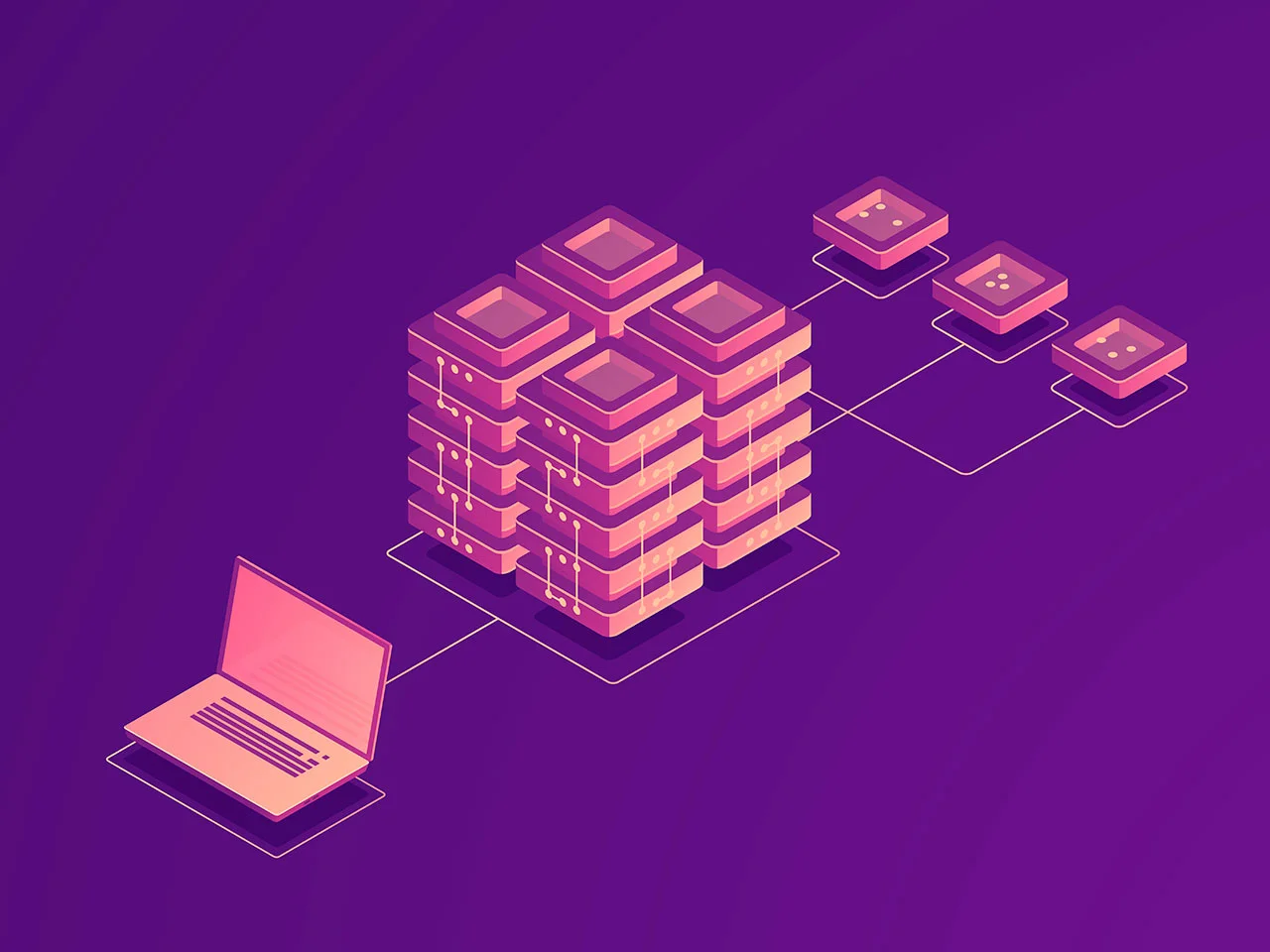
Every growing B2B product eventually runs into the same question. How do you serve fifty clients, or five thousand, without building and maintaining fifty separate systems? For companies that sell B2B software solutions, the answer affects margins, release speed, security posture and the ability to close enterprise deals. Multi-tenant architecture has become the dominant answer for SaaS platforms, from CRM and HR tools to logistics and fintech products. It lets one codebase and one infrastructure serve many customers while keeping each customer’s data strictly separated. The approach is not a single pattern, though. The tenancy decisions made in a product’s first months often decide whether the platform scales smoothly or needs an expensive rewrite a few years later.
What Multi-Tenant Architecture Means for B2B Software Solutions
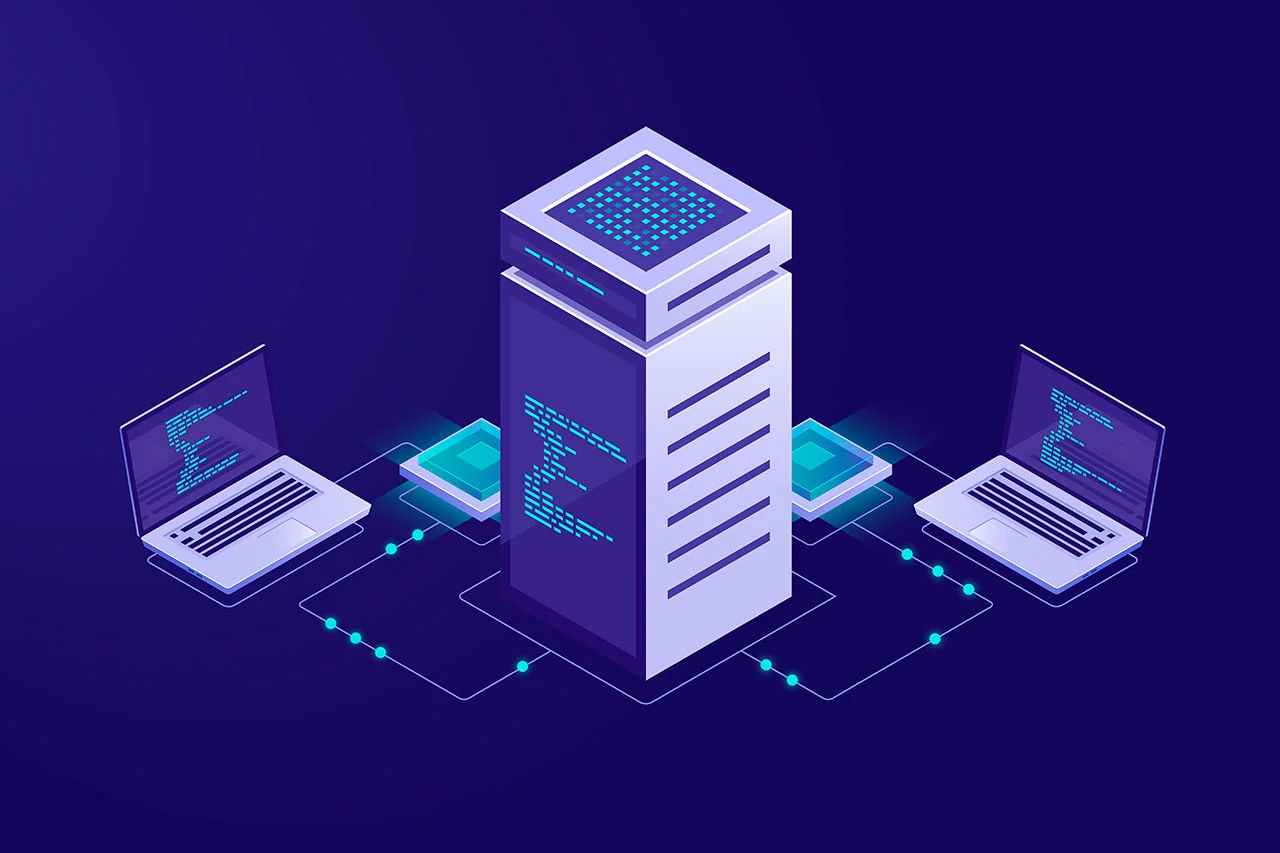
In software terms, a tenant is a client organization that uses your product. In a multi-tenant architecture, a single running instance of the application serves all tenants at once. Each company sees only its own data, users and settings, even though they all share servers, databases and code. A useful comparison is an apartment building versus a street of detached houses. Residents share the foundation, utilities and maintenance, but each apartment has its own lock. A single-tenant model is the street of houses: every client gets a dedicated environment, with the cost and upkeep that comes with it.
For B2B software solutions, a tenant is much more than an account with a password. It is an organization with departments, role hierarchies, single sign-on, billing plans, integrations with its own ERP or CRM, and contractual obligations about where its data lives. Multi-tenancy in a B2B context therefore covers several things. It means isolating whole organizations. It means letting each one configure the product without changing the code. And it means managing the full tenant lifecycle, from onboarding to data export and offboarding. This is why tenancy design is as much a business decision as a technical one.

Why B2B Software Solutions Are Moving to Multi-Tenancy
The main driver is economics. When every client runs on its own deployment, every client also needs its own servers, monitoring, backups and updates. With forty clients, an operations team maintains forty environments, often running different software versions. Infrastructure and support costs then grow in direct proportion to the client base, and the margin advantage of software over services gradually disappears.
Consider a typical case. A logistics SaaS provider serving regional carriers started by deploying a separate instance for each new customer. Onboarding took two to three weeks, and every security patch had to be rolled out dozens of times. After moving to a shared multi-tenant architecture, a new carrier could be onboarded in a day, and releases shipped once for everyone. The business benefits behind moves like this usually include:
- Lower cost per client. Shared infrastructure spreads compute, storage and licensing costs across the whole customer base.
- Faster onboarding. A new tenant is a configuration step rather than a deployment project.
- A single release cycle. Fixes and features reach every customer at the same time.
- Product insight across tenants. Aggregated, anonymized usage data shows which features matter.
- Simpler horizontal scaling. Capacity grows with total load rather than with the number of clients.
These benefits only appear when multi-tenancy is designed on purpose. When tenancy is bolted on later, tenant checks end up scattered across hundreds of queries, and a single forgotten filter becomes a potential data leak. The strongest B2B software solutions treat tenant context as a core architectural concept from the start, not as a field added to a few tables.
Multi-Tenant Architecture Models: Choosing the Right Isolation Level
There is no single blueprint for multi-tenant architecture. The common patterns differ mainly in where the separation between tenants happens: in application logic, in the database structure, or in the infrastructure itself. Each pattern makes a different trade-off between cost, isolation and operational complexity:
- Shared database, shared schema. All tenants share the same tables, and each row carries a tenant identifier. This is the cheapest and most scalable option, but it demands strict discipline in code and testing.
- Shared database, separate schemas. Each tenant gets its own schema inside one database. Isolation is stronger and per-tenant backups are easier, but migrations become harder once there are thousands of schemas.
- Database per tenant. Every client has a dedicated database. This gives the strongest isolation and the easiest compliance story, at a higher infrastructure and maintenance cost.
The right choice depends on how many tenants you expect, how much they differ in size, and what your target industry requires. A product aimed at thousands of small businesses usually fits a shared schema well, because per-tenant databases would be wasteful. A platform serving thirty banks is different: database-level isolation is often what the clients’ security teams require before signing.
Many mature B2B platforms end up with a tiered, or hybrid, model. Most tenants share pooled resources, while premium enterprise clients get dedicated databases or even dedicated clusters. The key design principle is to build a data access layer that does not care where a tenant physically lives. Then a tenant can move from the shared tier to a dedicated one without code changes, and isolation becomes a pricing option rather than a rewrite.
Data Isolation and Security in Multi-Tenant B2B Platforms
The biggest concern for B2B buyers is simple: could another client, possibly a competitor, see our data? In a shared environment, one missing condition in a report query can be enough to expose records across tenants. For this reason, tenant isolation should never depend on developers remembering to add a filter. It must be enforced at several layers of the system.
In practice, a reliable setup resolves the tenant context at the very start of each request, from the subdomain, the authentication token or the API key. That context is then passed automatically through every service. Database mechanisms such as row-level security in PostgreSQL add a safety net below the application code. Per-tenant encryption keys limit the damage if something does go wrong. Automated tests that deliberately attempt cross-tenant access belong in the CI pipeline, just like functional tests.
Compliance adds another dimension. GDPR, SOC 2, HIPAA and data residency rules often require that a European client’s data stays in EU regions, or that every access is logged per tenant. A well-designed multi-tenant architecture supports region-specific deployments and detailed tenant-level audit trails from the beginning. Enterprise security questionnaires are a standard part of the sales cycle for B2B software solutions, and clear, documented answers about isolation often shorten deals by weeks.
Performance in Multi-Tenant SaaS: Taming the Noisy Neighbor
Sharing resources creates a classic risk known as the noisy neighbor. When one large tenant runs heavy month-end reports or imports millions of records, the whole platform can slow down for everyone else. Smaller clients do not care that the cause is someone else’s workload. They only see that the product became sluggish on the day they needed it most.
Several techniques keep shared environments predictable. Per-tenant rate limits and resource quotas stop any single client from taking over the system. Heavy operations move to background queues, often partitioned by tenant or by plan. Caches are keyed by tenant to avoid both leaks and contention. Read replicas take analytical load away from the main transactional database. Together, these practices let a multi-tenant SaaS product absorb uneven demand without overprovisioning infrastructure for the worst case.
None of this works without observability at the tenant level. When every metric, log entry and trace carries a tenant identifier, teams can see exactly who consumes what. In one case, an HR platform found that about three percent of its tenants generated more than half of its database load. Those clients moved to a dedicated tier with pricing to match. Performance data then became an input for the commercial model, not just for engineering.

Customization Without Fragmentation in B2B Software Solutions
B2B clients rarely accept a product exactly as it ships. They want their own fields, approval workflows, branding and integrations. The tempting shortcut is to create a custom code branch for an important client. Each such branch quietly undoes the benefits of multi-tenancy, because the team is back to maintaining many slightly different products.
The sustainable approach is configuration over customization. Feature flags turn capabilities on per tenant or per plan. Custom fields are stored as metadata instead of new columns. Workflow engines let administrators define their own rules. White-label themes cover branding, and webhooks plus public APIs let clients extend the product on their side. With these tools, B2B software solutions can feel tailored to each client while running on one shared codebase.
A procurement platform illustrates the point. Nearly every new enterprise client asked for a different purchase approval chain, based on amount, department or supplier category. Instead of hardcoding each chain, the team built a configurable rules engine that tenant administrators could manage themselves. This requires product discipline as much as engineering skill. Requests that cannot be generalized should be either declined or turned into configurable features that benefit the whole tenant base.
Migrating Legacy B2B Software to a Multi-Tenant Architecture
Many companies start with single-tenant deployments, often to win their first large clients quickly, and later find that the model no longer scales. Moving an existing product to a multi-tenant architecture is one of the more demanding engineering projects a SaaS company can take on. It is manageable when done in stages rather than as a big-bang rewrite. A proven sequence usually looks like this:
- Audit the data model, services, background jobs and file storage to find everything that lacks tenant context.
- Introduce a tenant identifier and a tenant-aware data access layer across the codebase.
- Move per-client logic and settings out of the code into a central configuration.
- Migrate one or two pilot tenants first and run them in parallel with the old setup.
- Move the remaining clients in waves, each with a tested rollback plan.
- Decommission the old environments and consolidate monitoring, backups and deployments.
Realistic timelines are measured in months, not weeks, and the business rarely can stop shipping features in the meantime. The strangler pattern helps here. New functionality is built tenant-aware from day one, while legacy modules are replaced step by step, so the product keeps moving forward during the transition.
The most common pitfalls sit away from the main application code. Scheduled jobs that assume a single client, reports with hardcoded filters, files stored in shared folders and per-client integrations configured by hand all need attention. Teams that map these areas upfront avoid the late surprises that tend to derail migration budgets.
When Multi-Tenant Architecture Is Not the Right Fit
Multi-tenancy is not universal. Some products serve a few very large clients with strict on-premise requirements, as in government, defense or parts of healthcare. Others have deployments so deeply customized that a shared model creates more friction than value. For these, a single-tenant approach, or a self-hosted distribution of the product, can be the more honest choice.
The model also has an upfront cost. Building tenant context, isolation layers and per-tenant observability takes engineering effort that an MVP with three pilot clients may not need yet. Even then, it pays to design the data model with tenancy in mind from day one. Adding a tenant identifier early costs little, while retrofitting it into a mature system costs a great deal.
Between the two extremes sit hybrid designs. A common one combines a shared control plane, covering authentication, billing and administration, with dedicated data planes for clients who require them. Another offers single-tenant hosting as a premium tier. The decision should follow from the target market, typical deal size and compliance landscape, not from technical fashion.
Building Multi-Tenant B2B Software Solutions With the Right Team
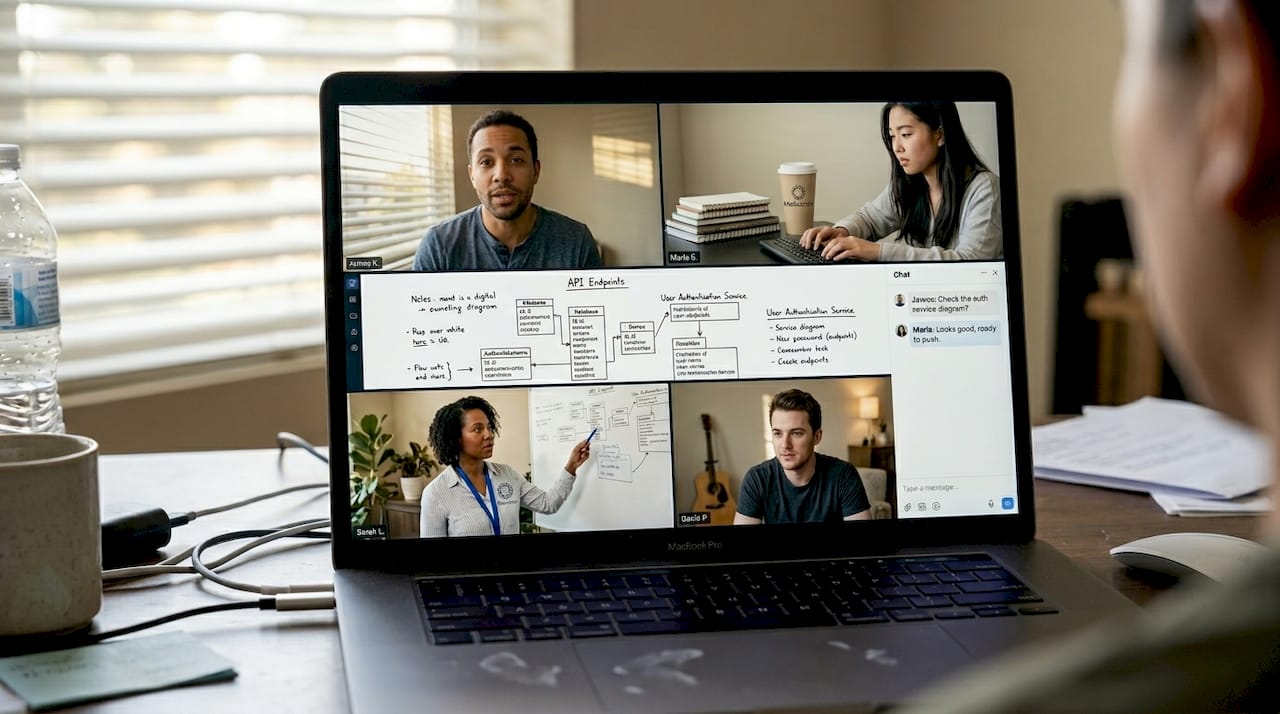
Multi-tenancy affects almost every part of a product: the data model, authentication, DevOps, billing, analytics and even support tooling. Mistakes made early are expensive to fix later, because they are spread across the whole system. Engineers who have built and migrated multi-tenant platforms before know where data leaks hide and which shortcuts turn into technical debt within a year.
When evaluating who will design or develop such a system, a few signals deserve attention:
- A track record with SaaS products.
- The ability to explain architectural trade-offs in business terms.
- Mature DevOps practices, such as infrastructure as code, automated CI/CD and tenant-level monitoring.
- A security-first mindset backed by real testing.
- A willingness to begin with an architecture assessment rather than jump straight into coding.
Teams that ask early about your pricing tiers, target clients and compliance obligations tend to make better structural decisions.
A growing number of product companies combine in-house product ownership with an external engineering team for architecture design, migration or scaling phases. This setup brings proven patterns and extra capacity into the project, shortens time to market, and lets the internal team stay focused on domain expertise and customer relationships. For companies developing B2B software solutions, it is often the most practical way to get the architecture right the first time.
Shared Infrastructure as a Foundation for Sustainable Growth
Multi-tenant architecture is ultimately about a promise every SaaS business makes to its clients: your data is safe, the product keeps improving, and it works as well for you as for anyone else. When tenancy is designed deliberately, with the right isolation model, enforced security, tenant-level observability and configuration instead of custom code, that promise holds as the client base grows from dozens to thousands.
The most resilient B2B software solutions treat architecture as a business asset, not a hidden technical detail. Choosing the right tenancy model, planning migrations carefully and working with experienced engineers turns shared infrastructure into a real competitive advantage. The result is lower costs, faster releases and a platform ready for the next stage of growth.
Author