In this article
Front-End Development in 2026: Frameworks, Costs, and Scalability
Tech & Infrastructure
Picking the right approach to front-end development has stopped being a purely technical decision and become a business one. The framework a team commits to, the budget allocated for building the interface, and the architecture chosen to support growth all directly affect how fast a product ships, how much it costs to maintain, and whether […]

Picking the right approach to front-end development has stopped being a purely technical decision and become a business one. The framework a team commits to, the budget allocated for building the interface, and the architecture chosen to support growth all directly affect how fast a product ships, how much it costs to maintain, and whether it can handle success without falling apart. Understanding these three pieces together — frameworks, costs, and scalability — is what separates teams that build something durable from teams that end up rebuilding the same product twice.
Why Front-End Development Decisions Carry More Weight Than Ever
Front-end development used to be treated as the “easy half” of building a product, with most of the engineering attention going to backend systems and databases. That assumption doesn’t hold anymore. Interfaces have become more interactive, more data-heavy, and more central to how users judge a product’s quality within seconds of opening it. A slow, clunky front end can undo months of solid backend work, simply because users never stick around long enough to notice how well the server performs.
At the same time, the tools available for front-end development have matured to the point where the technical differences between major frameworks matter less than they used to, while the business differences — hiring costs, long-term maintainability, ecosystem support — matter more. This shift means that decisions once made purely by developers now need input from anyone responsible for budget and product timelines, because the choice of framework quietly shapes both.
Understanding the Front-End Framework Landscape
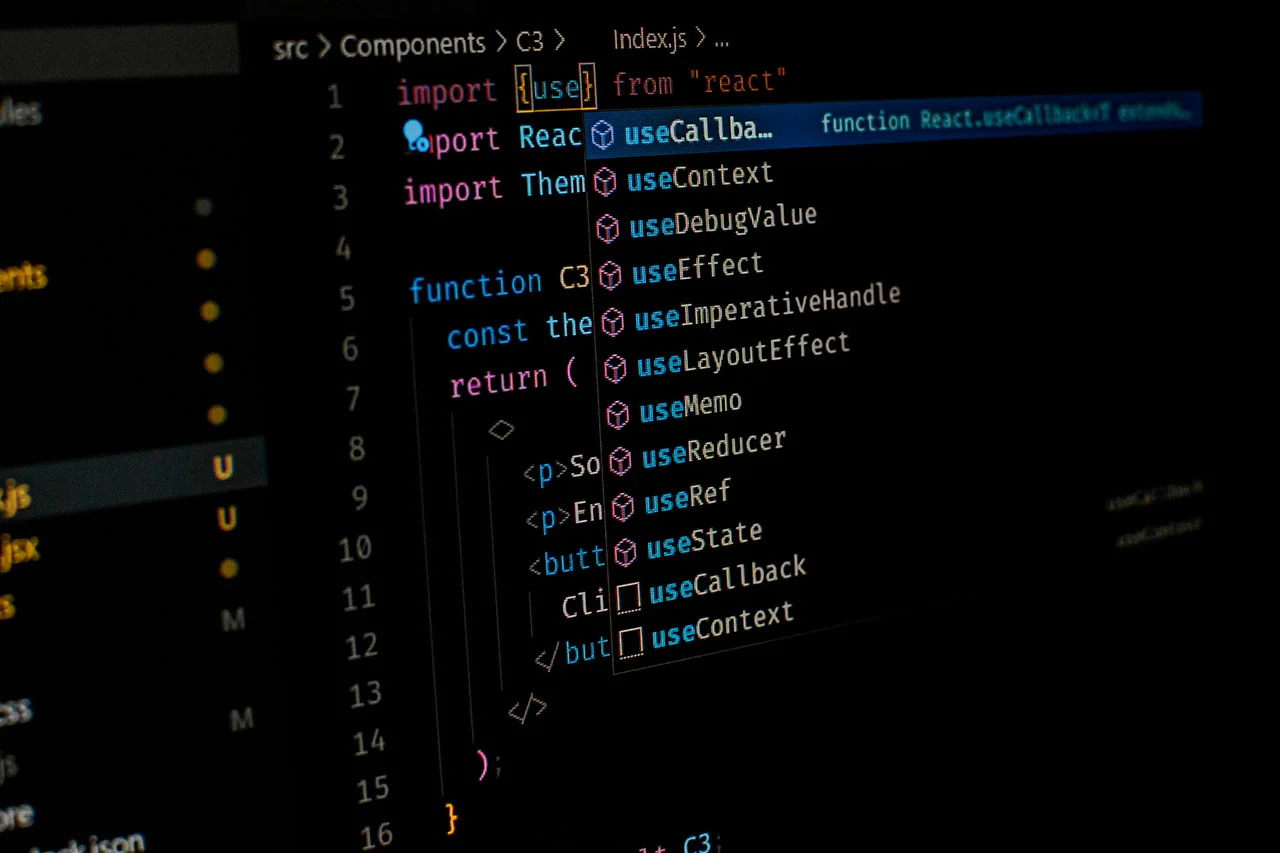
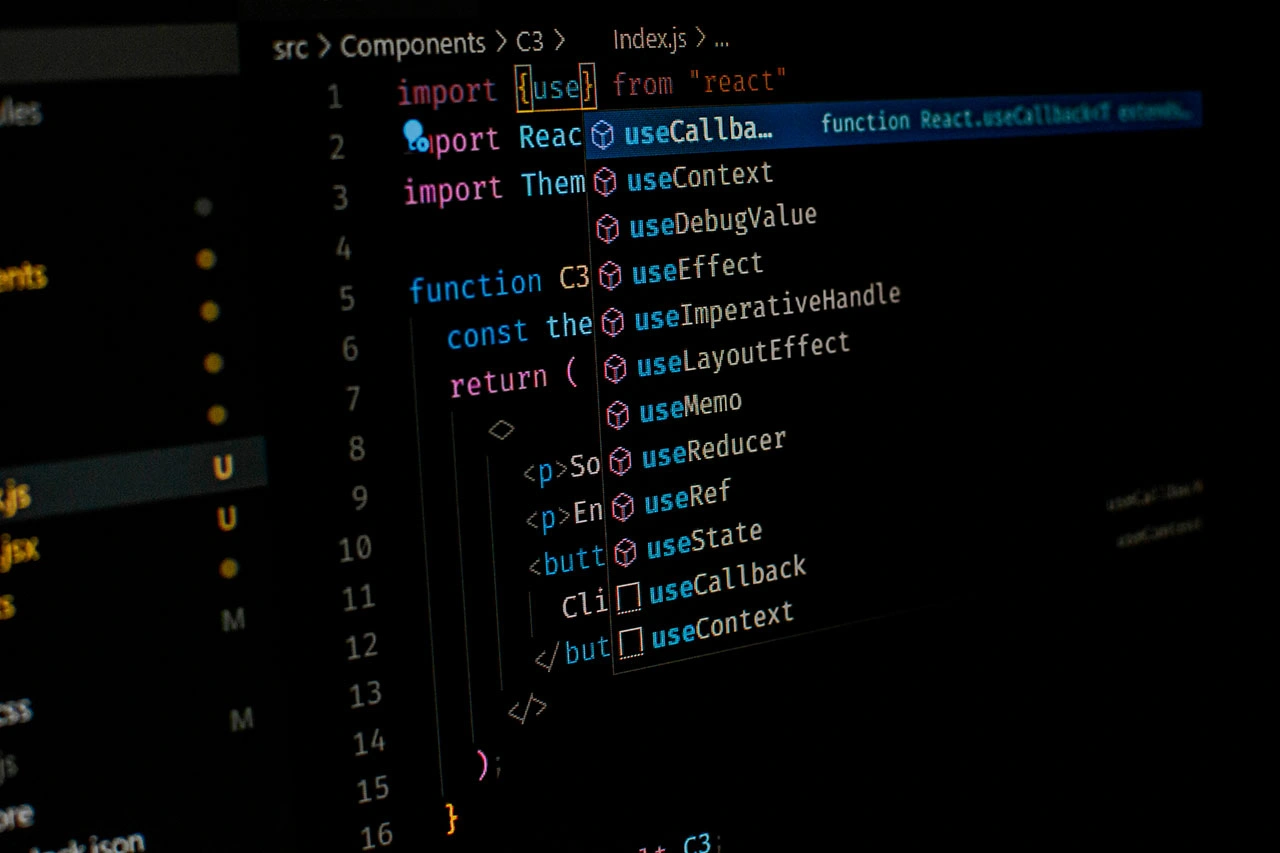
The framework landscape has settled into a smaller set of dependable options rather than a constant stream of new contenders. React remains the most widely adopted choice for commercial products, largely because of its enormous hiring pool and the maturity of meta-frameworks built on top of it that handle routing, rendering, and deployment with minimal setup. Vue continues to attract teams who want strong structure and a gentler learning curve without giving up flexibility, while Angular remains common in large enterprise environments where its opinionated, all-in-one structure suits big teams working on long-lived systems.
Newer entrants like Svelte and SolidJS have earned a legitimate place in production environments, mainly because they shift work to compile time instead of running a heavier framework in the browser, which often results in smaller bundles and quicker initial loads. This doesn’t make them universally “better,” but it does mean teams building performance-sensitive products now have credible alternatives to the default choice. The practical effect of this consolidation is that fewer projects fail because of a “wrong” framework choice, and more depend on how well that framework matches the team’s skills and the product’s actual requirements.
Choosing between these options usually comes down to a short list of practical questions rather than abstract technical debates:
- How large and accessible is the hiring pool for this framework in your region or remote market?
- Does the team already have working experience with it, or would adoption require a steep learning curve?
- Does the product need heavy interactivity and complex state, or mostly content display and simple forms?
- How mature is the surrounding ecosystem for the specific features the product needs, such as forms, animations, or server-side rendering?
What Actually Drives Front-End Development Costs
Framework choice affects cost, but it is rarely the largest factor in a project’s budget. Team seniority and geographic location typically swing hourly rates more than any technical decision, sometimes by three to five times between regions or experience levels. A senior developer in a high-cost market working efficiently can still end up cheaper overall than a larger team of junior developers billing lower rates but taking much longer to reach the same result, especially once rework and bug-fixing are factored in.
Design complexity is another major driver of front-end development costs that often gets underestimated during planning. An interface built from a consistent design system with reusable components can be assembled quickly and predictably, while a highly custom, animation-heavy design demands far more implementation time, more edge-case testing across devices, and more back-and-forth between designers and developers. The number of third-party integrations compounds this further, since each payment gateway, authentication provider, or real-time feature introduces its own quirks, documentation gaps, and testing requirements that rarely show up in an initial estimate.
Maintenance is the cost category most frequently left out of early budgeting conversations, yet it tends to add up to more than the original build over a two-to-three-year period. Dependency upgrades, browser compatibility changes, accessibility fixes, and evolving user expectations all require ongoing developer time long after launch. Teams that plan only for the initial build, without setting aside a realistic maintenance budget, are usually the ones surprised by rising costs a year into a product’s life.
Hidden Front-End Development Costs Teams Often Miss
Beyond the obvious line items, several less visible costs tend to surface only after a project is well underway. Technical debt accumulated from rushed early decisions is one of the most common — shortcuts taken to hit a launch date often need to be revisited later, and unwinding them costs more than doing them correctly the first time would have. Onboarding new developers onto a poorly documented or inconsistently structured codebase is another quiet cost, since unclear patterns slow down every new hire’s ramp-up period, not just the first one.
Cross-browser and cross-device testing is frequently underestimated as well, particularly for products with a broad user base spanning older devices, unusual screen sizes, or less common browsers. What looks like a minor compatibility issue in testing can become a significant support burden once real users encounter it in production. Accessibility compliance falls into a similar category: retrofitting an interface to meet accessibility standards after launch is considerably more expensive than building with those standards in mind from the start.
A practical way to catch these hidden costs before they derail a budget is to build a short pre-launch checklist that goes beyond feature completeness:
- Has the codebase been reviewed for maintainability, not just functionality?
- Has the interface been tested across the actual range of devices and browsers your users rely on?
- Are accessibility basics — contrast, keyboard navigation, screen reader support — addressed rather than deferred?
- Is there a realistic maintenance budget allocated for the first year after launch?
Scalability in Front-End Architecture: What It Really Means
The word “scalability” gets used loosely in front-end conversations, but it actually breaks down into a few distinct, measurable concerns. Performance scalability refers to whether the application stays responsive as data volume, component count, and user interactions grow — this is where compiler-based frameworks with lighter runtime overhead often show a real advantage over heavier, more traditional approaches as an application’s complexity increases. An interface that feels snappy with a hundred test records can behave very differently once it’s handling tens of thousands of real ones.
Team scalability is a separate and often more consequential concern: can multiple developers work on the same codebase at the same time without constantly colliding or breaking each other’s work? This depends far more on code organization, clear component boundaries, and consistent typing than on which framework sits underneath. TypeScript, in particular, has become close to a default expectation on any front-end project expected to grow past a small team, simply because the errors it catches before runtime save enormous amounts of debugging time later.
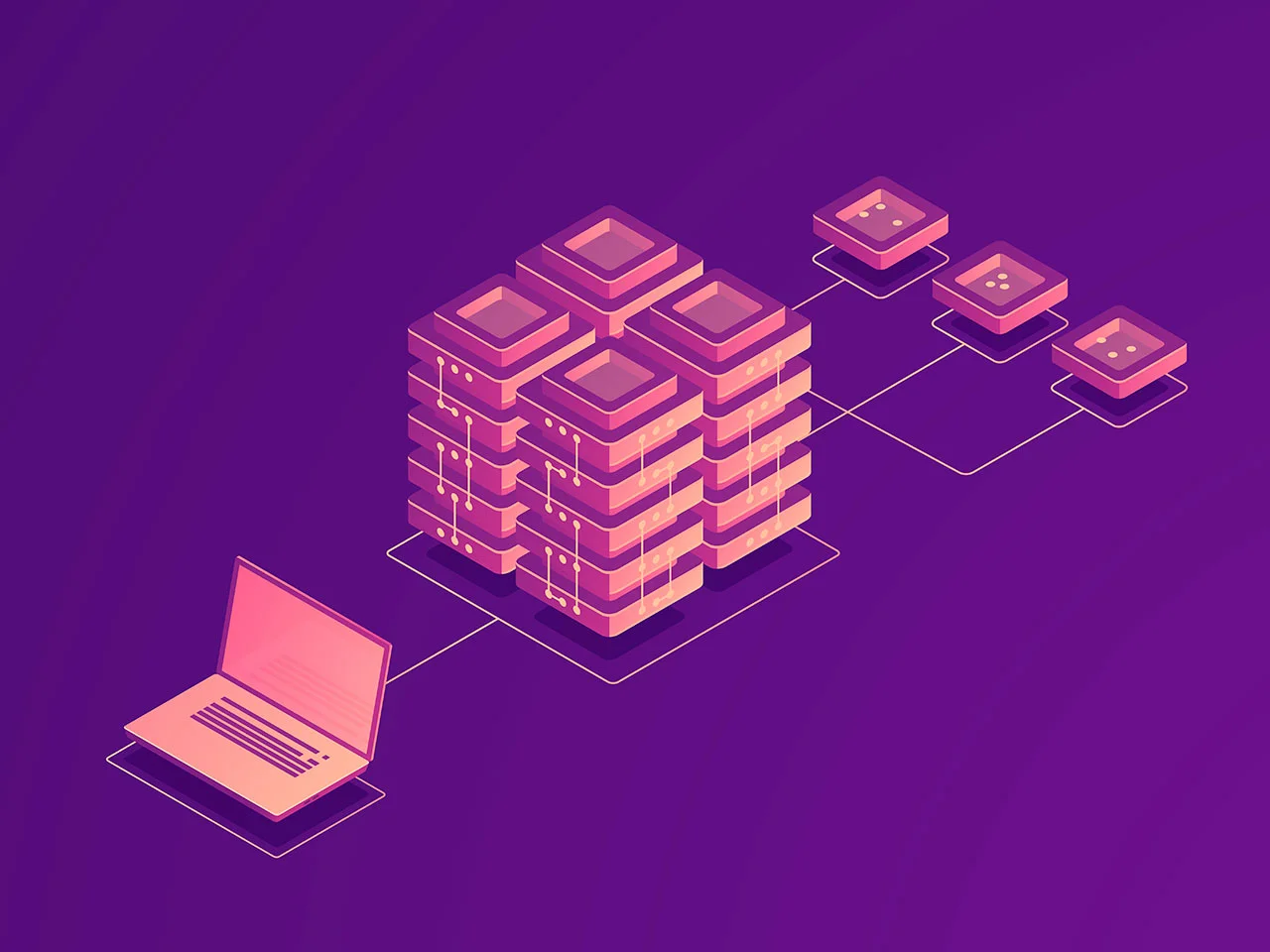
Infrastructure scalability rounds out the picture, covering how well a front end integrates with content delivery networks, edge rendering, and caching strategies. Modern hosting and deployment platforms have narrowed the practical performance gap between frameworks considerably, meaning that thoughtful infrastructure choices can offset a lot of raw framework-level differences. A well-architected React application deployed on solid infrastructure will often outperform a technically “faster” framework running on a poorly configured setup.

Choosing a Framework for Long-Term Scalability
Selecting a framework with long-term scalability in mind requires looking past benchmark charts and toward how the product is actually expected to grow. A content-heavy marketing site with occasional interactive elements has very different scalability needs than a data-dense internal dashboard used by hundreds of employees simultaneously, and the right framework for one may be a poor fit for the other. Matching the tool to the actual shape of the product, rather than to whichever framework is currently generating the most buzz, remains the single most reliable predictor of long-term success.
Team fit deserves just as much weight as technical fit in this decision. A framework that scales beautifully on paper but that the existing team has no experience with introduces a learning curve that can stall a project during its most critical early months. In practice, a slightly less “modern” framework that the team already knows well often outperforms a trendier alternative, simply because familiarity reduces the number of costly early mistakes that are hardest to undo later.
Long-term maintainability also depends heavily on how disciplined a team is about documentation, testing, and consistent patterns, regardless of which framework they choose. A codebase built on the most scalable framework available can still become unmanageable if it lacks clear conventions, while a more modest framework paired with strong engineering discipline can support years of healthy growth. This is why experienced technical leads tend to evaluate framework decisions alongside team practices rather than in isolation.
Practical Ways to Manage Front-End Development Costs Without Cutting Corners
Controlling front-end development costs effectively is less about finding the cheapest option and more about avoiding the expensive mistakes that come from rushing early decisions. Investing time upfront in a shared design system pays off quickly, since reusable components reduce both initial build time and the cost of every future feature that relies on them. Establishing coding standards and review practices early also prevents the kind of inconsistency that slows down every new developer who joins the project later.
Phasing development around real user needs, rather than building every conceivable feature before launch, keeps early costs manageable while still allowing a product to reach the market and start generating feedback. Many teams find that a smaller, well-built initial version reveals which features actually matter, avoiding wasted development time on functionality that users never end up using. This approach also makes cost estimates more accurate, since smaller phases are easier to scope precisely than an entire product built in one large effort.
Finally, setting aside a realistic ongoing maintenance budget from the outset, rather than treating it as an afterthought, prevents the common pattern where a product looks affordable at launch and then becomes a source of constant, unplanned spending in its second year. Teams that budget honestly for dependency updates, security patches, and incremental improvements tend to spend less overall than teams that defer all of that work until it becomes urgent.
Conclusion: Bringing Frameworks, Costs, and Scalability Together
There is no single framework that is objectively “best” for front-end development in 2026 — there is only the framework that best fits a given team’s skills, a product’s actual complexity, and its expected growth path. Development costs are shaped far more by team experience, design complexity, and the honesty of maintenance planning than by which framework name appears in the project’s technology stack. And genuine scalability comes less from any individual framework’s marketing claims and more from disciplined architecture, consistent typing, and a codebase that stays approachable as both the team and the product expand.
Teams that treat framework choice, cost planning, and scalability as three connected parts of the same decision — rather than separate questions handled by different people at different times — consistently end up with front-end systems that hold up well beyond their first year in production. That connected thinking, more than any single technical trend, is what actually determines whether a front end becomes a long-term asset or a recurring source of costly rework.