In this article
Custom Software Development for Businesses That Scale
Tech & Infrastructure
Every company reaches a point where spreadsheets, disconnected SaaS tools, and manual workarounds start costing more than they save. Orders get lost between systems, reports take days to assemble, and new hires spend weeks learning processes that exist only in someone’s head. Custom software development for businesses solves this by building tools around how a […]

Every company reaches a point where spreadsheets, disconnected SaaS tools, and manual workarounds start costing more than they save. Orders get lost between systems, reports take days to assemble, and new hires spend weeks learning processes that exist only in someone’s head. Custom software development for businesses solves this by building tools around how a company actually operates, not around a vendor’s idea of an average customer. Combined with the cloud, it gives growing teams a platform that adapts as fast as the market does, and that is exactly why more decision-makers now treat bespoke software as a strategic investment rather than an IT expense.
What Custom Software Development for Businesses Really Means
At its core, custom software development is the process of designing, building, and maintaining applications for one specific organization. Instead of adapting your operations to a boxed product, you define the workflows, data structures, and integrations first, and the software follows. A logistics company might need route planning that accounts for its own warehouse layout. A clinic network might need scheduling that respects how each doctor actually works. A retailer might need inventory logic that connects physical stores, a marketplace, and a B2B portal in real time. None of these are exotic requests, yet off-the-shelf tools rarely handle them without painful compromises.
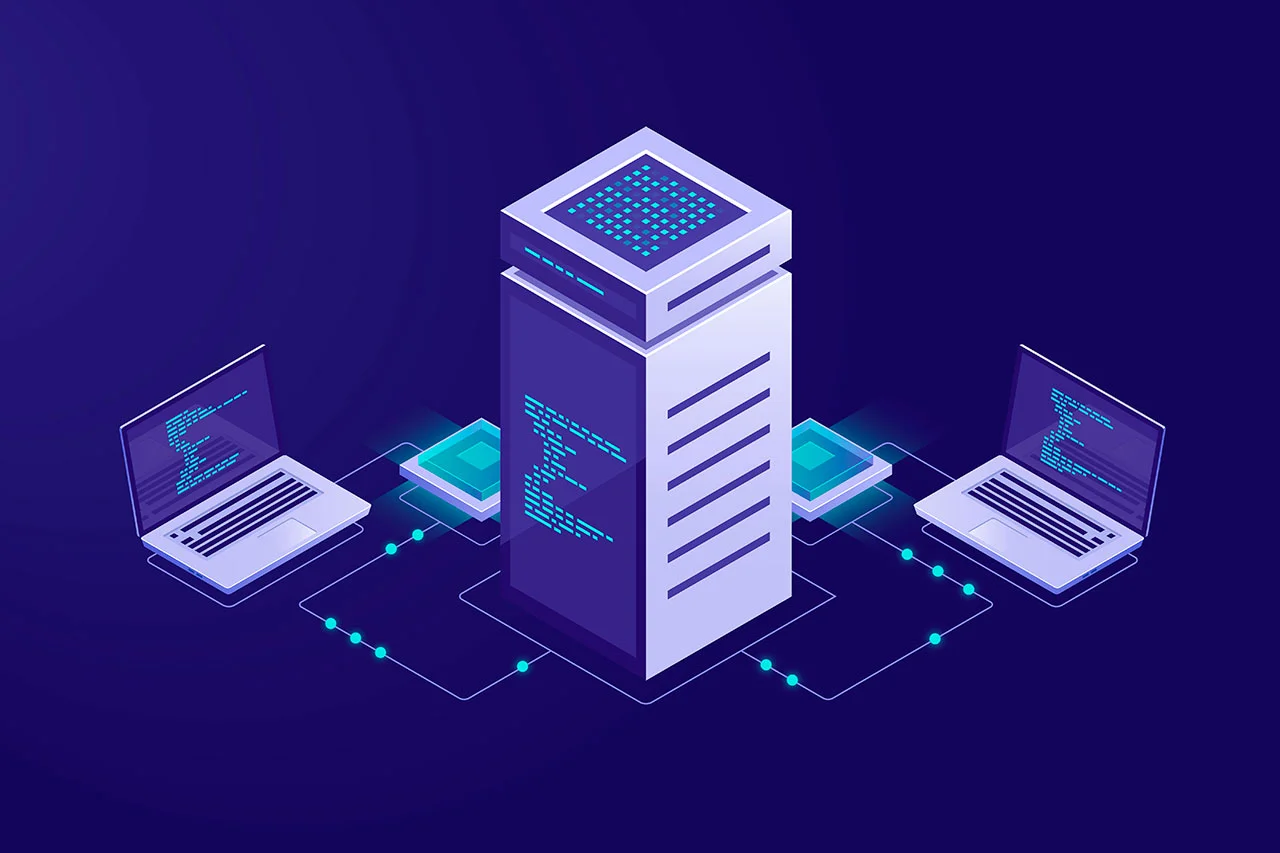
Today, most of these projects are built as cloud software for business rather than as programs installed on office machines. That shift matters. The cloud removes the need to buy and maintain servers, lets teams access the system from anywhere, and makes it possible to scale capacity in minutes instead of months. In practice, custom cloud-based software for your business combines two advantages: a product shaped precisely around your processes, and an infrastructure model that grows, shrinks, and updates without disrupting daily operations.
Off-the-Shelf Tools vs Custom Software for Businesses
Ready-made platforms are a sensible starting point. They are quick to launch, cheap at small scale, and cover common needs like accounting, email marketing, or basic CRM. The problems appear later, when a company’s processes become its competitive edge. A subscription tool built for thousands of customers cannot reflect the pricing rules, approval chains, or service logic that make one business different from another. Teams end up exporting data to spreadsheets, paying for features they never use, and stitching five products together with fragile integrations.
Custom software takes the opposite route. It starts with your workflows and builds only what supports them. Before choosing a direction, it helps to compare the two models honestly:
- Fit: off-the-shelf tools force you to adapt; custom solutions adapt to you.
- Cost over time: subscriptions grow with every user and module, while a custom product is an asset you own.
- Integrations: bespoke systems connect directly to your ERP, payment providers, and internal databases.
- Ownership: you control the roadmap, the data, and the source code instead of depending on a vendor’s priorities.
- Scalability: a custom architecture is planned for your expected growth, not for an average customer.
This does not mean every tool should be replaced. A practical approach is to keep commodity software for commodity tasks and invest in custom development where your processes create real value. One distribution company we can use as an example kept its standard accounting system but replaced a patchwork of order trackers with a single custom platform. Order processing time dropped by roughly 40%, and the team stopped losing deals to manual errors.
Why Cloud Software for Business Has Become the Default
A decade ago, moving core systems to the cloud was a bold decision. Now it is the standard choice for most new products, and for good reason. Cloud platforms such as AWS, Google Cloud, and Microsoft Azure offer managed databases, storage, authentication, and analytics as ready building blocks. Development teams spend less time configuring infrastructure and more time on features that matter to users. Updates roll out to everyone at once, without IT staff visiting each office.
For company owners, the biggest change is financial. Instead of large upfront hardware purchases, the business pays for the capacity it actually uses. A seasonal retailer can handle a holiday traffic spike, then scale back in January without leaving idle servers in a closet. A startup can launch with a lean setup and expand as customers arrive. This flexibility turns infrastructure from a fixed cost into a variable one that follows revenue.
Cloud software for business also changes how teams work. Field staff update records from tablets, managers see live dashboards instead of weekly reports, and partners can receive controlled access to shared data. When the platform is custom-built, these capabilities are designed around real roles and permissions rather than generic templates. The result is a system people actually want to use, which is the most underrated success factor in any software project.
How Custom Cloud-Based Software for Your Business Is Built
Successful projects rarely start with code. They start with understanding the problem: who will use the system, which decisions it should support, and which bottlenecks cost the most today. Skipping this stage is the most common reason budgets explode later. A team that spends two or three weeks on discovery usually saves months of rework, because every later decision rests on verified requirements rather than assumptions.
A well-organized development cycle typically follows these stages:
- Discovery and business analysis: interviews with stakeholders, process mapping, and a prioritized feature list.
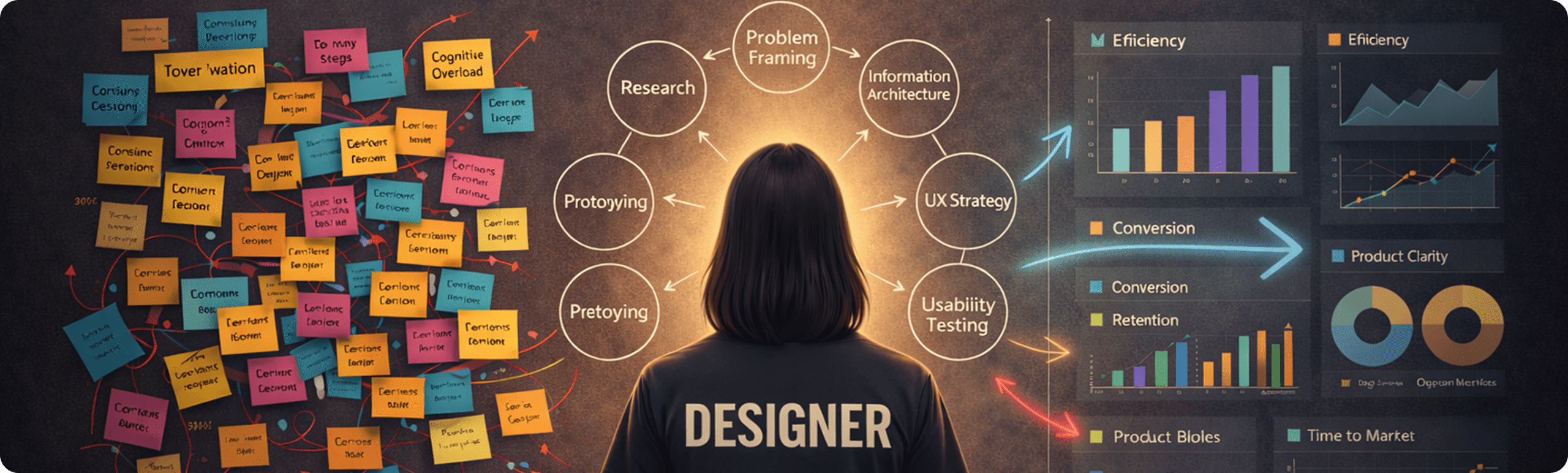
- UX/UI design: clickable prototypes that let real users test flows before development begins.
- Architecture planning: choosing the cloud provider, data model, and integration approach.
- Iterative development: short sprints with working features delivered every one or two weeks.
- Testing and QA: automated and manual checks for functionality, performance, and security.
- Deployment and support: release to production, monitoring, and continuous improvement.
The key word here is iterative. Rather than waiting a year for a finished product, the business sees progress early and can adjust priorities as it learns. Many teams launch a minimum viable product within three to four months, gather feedback from actual users, and then expand. This approach reduces risk, keeps stakeholders engaged, and makes custom cloud-based software for your business evolve alongside the company instead of freezing a snapshot of last year’s needs.
How to Customize Software Deployment for Your Operations
Building the product is only half the work. The way it reaches users, gets updated, and recovers from failures has a direct impact on uptime and costs. That is why experienced teams customize software deployment to match the business rather than copying a generic template. A company with offices in several countries may need data stored in specific regions. A fintech product may require strict separation between test and production environments. A high-traffic marketplace may need automatic scaling during flash sales.
Modern deployment relies on practices such as containerization, infrastructure as code, and CI/CD pipelines. In plain terms, this means every environment is described in configuration files, every code change passes automated checks, and new versions reach users within hours instead of weeks. If something goes wrong, the team can roll back to the previous version in minutes. For the business, this translates into fewer outages, faster releases, and lower operational risk.
Deployment choices also affect long-term spending. A poorly planned setup can quietly double a monthly cloud bill through oversized servers or forgotten test environments. When you customize software deployment from the start, the team selects the right mix of managed services, reserved capacity, and on-demand resources. One SaaS client cut its infrastructure costs by about 30% after an audit that simply matched server capacity to real usage patterns.

The Real Cost of Custom Software Development for Businesses
The first question most decision-makers ask is how much a custom solution will cost. The honest answer depends on scope, complexity, and the team’s location. A focused internal tool may require a few months of work from a small team, while a customer-facing platform with mobile apps, payments, and analytics can take a year or more. What matters more than the headline number is the return the system generates.
Several factors shape the final budget:
- Feature scope: the number of user roles, screens, and business rules.
- Integrations: connections to ERP, CRM, payment gateways, or legacy systems.
- Design depth: a simple admin panel costs less than a polished consumer interface.
- Security and compliance: requirements such as GDPR or HIPAA add review and testing time.
- Team model: in-house hiring, freelancers, or a dedicated external development team.
It also helps to look beyond the initial build. A custom product eliminates per-user licensing fees, reduces manual work, and often replaces several subscriptions at once. Many companies recover their investment within 18 to 24 months through saved labor hours alone. Working with an experienced external team can shorten timelines further, because the business gets a ready group of developers, designers, and QA engineers without spending months on recruitment.
Security and Compliance in Custom Cloud Software
A common concern among executives is whether business data is safe in the cloud. In most cases, a properly configured cloud environment is more secure than a server room in the office. Major providers invest heavily in physical protection, encryption, and threat monitoring that few companies could afford on their own. The real risks usually come from configuration mistakes, weak access policies, and outdated code, all of which are within the development team’s control.
Custom software gives you a significant advantage here. Security can be designed into the architecture from day one rather than added as an afterthought. Role-based access ensures that a sales manager sees client contracts but not payroll data. Audit logs record who changed what and when. Encryption protects information both in storage and in transit. For regulated industries, the system can be built to meet specific standards from the outset, which is far easier than retrofitting a generic platform.
Compliance is not a one-time task, though. Regulations change, new vulnerabilities appear, and the business itself evolves. Regular security audits, dependency updates, and penetration testing should be part of the support plan. A healthcare startup, for example, avoided a costly redesign by planning its data storage around regional privacy rules before launch, rather than discovering the requirements during its first enterprise sales negotiation.
Choosing a Partner for Custom Software Development
The quality of a custom product depends largely on the people who build it. Many companies weigh three options: hiring an in-house team, working with freelancers, or engaging an external development partner. In-house hiring gives full control but takes months and creates long-term payroll commitments. Freelancers are flexible but hard to coordinate on complex systems. A dedicated external team often offers the best balance, combining ready expertise with predictable delivery.
When evaluating potential partners, look past the sales presentation. Ask to see case studies from your industry or from projects of similar complexity. Check how the team handles discovery, communication, and change requests. A reliable partner will ask detailed questions about your business before quoting a price, propose a phased plan, and explain technical trade-offs in plain language. Transparency about risks is a better sign than promises that everything will be easy.
Pay attention to what happens after launch as well. Software needs maintenance, performance tuning, and new features as the business grows. The strongest partnerships are long-term: the same team that built the platform understands its architecture and can extend it quickly. Companies that treat their development partner as an extension of their own team typically see faster delivery and fewer surprises than those that switch vendors after every project.
Software That Grows With Your Business
Custom software development for businesses is no longer reserved for large enterprises with unlimited budgets. Cloud infrastructure, iterative delivery, and flexible team models have made tailored solutions accessible to growing companies across industries. When software reflects how your organization really works, it removes friction, reduces manual effort, and turns internal processes into a competitive advantage. Combined with a thoughtfully planned deployment and strong security from day one, it becomes a foundation rather than a constraint.
The most important step is to start with clear goals and a realistic plan. Identify the processes that slow your team down, estimate what those delays cost, and explore how custom cloud-based software for your business could address them. With the right development partner, a focused first release can deliver measurable results within months, and the platform can keep evolving as new opportunities appear. Companies that make this investment thoughtfully gain more than a tool; they gain the freedom to scale on their own terms.
Author