In this article
AI Filmmaking, For Real: How Our Team Made a 15-Minute Film in Three Weeks
AI & Automation
Most stories about AI filmmaking are either slick demos or dread about the end of art. This is neither. It is the honest account of how a small team at Meduzzen made a 15-minute film of a client’s whole life, entirely with AI, built from his family’s old photographs, in about three weeks, for roughly $1,055 in tools and 235 hours of human judgment. What broke, what it cost, and why the human hours are the only part that mattered.
Key takeaways
- We made a 15-minute film about one man’s whole life with AI in about three weeks, for roughly $1,055 in AI tools plus 235 hours of team time. The hours were the expensive part.
- The tools are cheap and everyone has them. What made it real was human judgment: deciding what to keep, and throwing away two thirds of the footage we generated.
- Character consistency was the hardest part, even with the family’s restored photos as references. The face still drifted in every scene, and a person had to catch it each time.
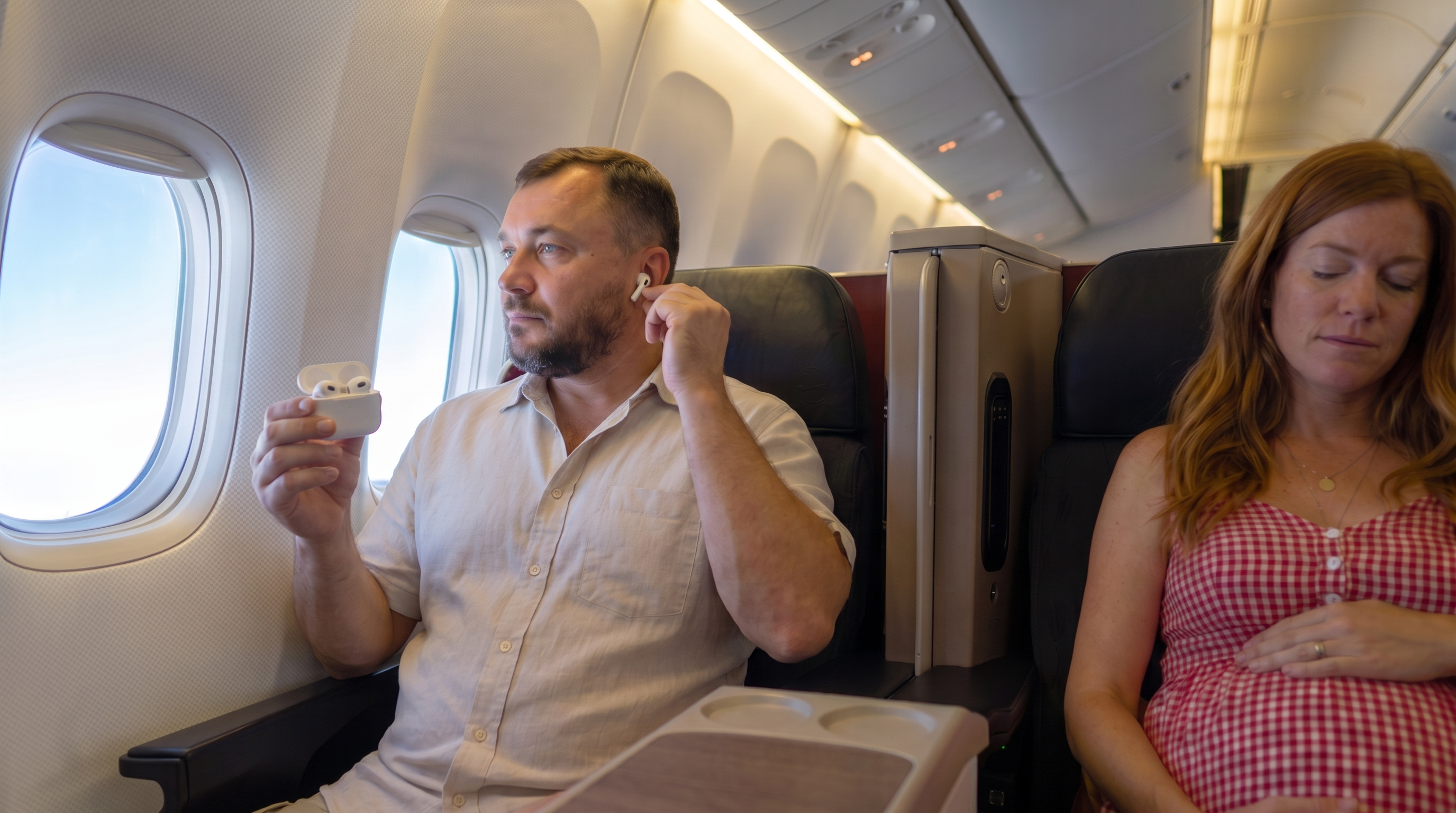
- Even the stills were a grind: roughly ten generated images to get one usable shot, and the best of them still had errors (a plane passenger holding three AirPods).
- This is not AI slop. Slop is made fast, for reach, and checked by no one. This was made slowly, for one person, and checked obsessively, and we say plainly that it was made with AI.
It started with one short video and a sentence I did not expect
I lead growth at Meduzzen. I am not a filmmaker, and I want to be honest about that before anything else in this story tempts you to think otherwise.
A few weeks ago I was building an internal system for our own social content. Nothing glamorous. I wanted a faster way to turn our ideas into short videos, so I sat down with a tool called Higgsfield and made one clip to see what it could do.
Our co-founder watched it over my shoulder. He did not say “nice.” He said, “we should make a movie.”
I laughed. Then I realized he was not joking.
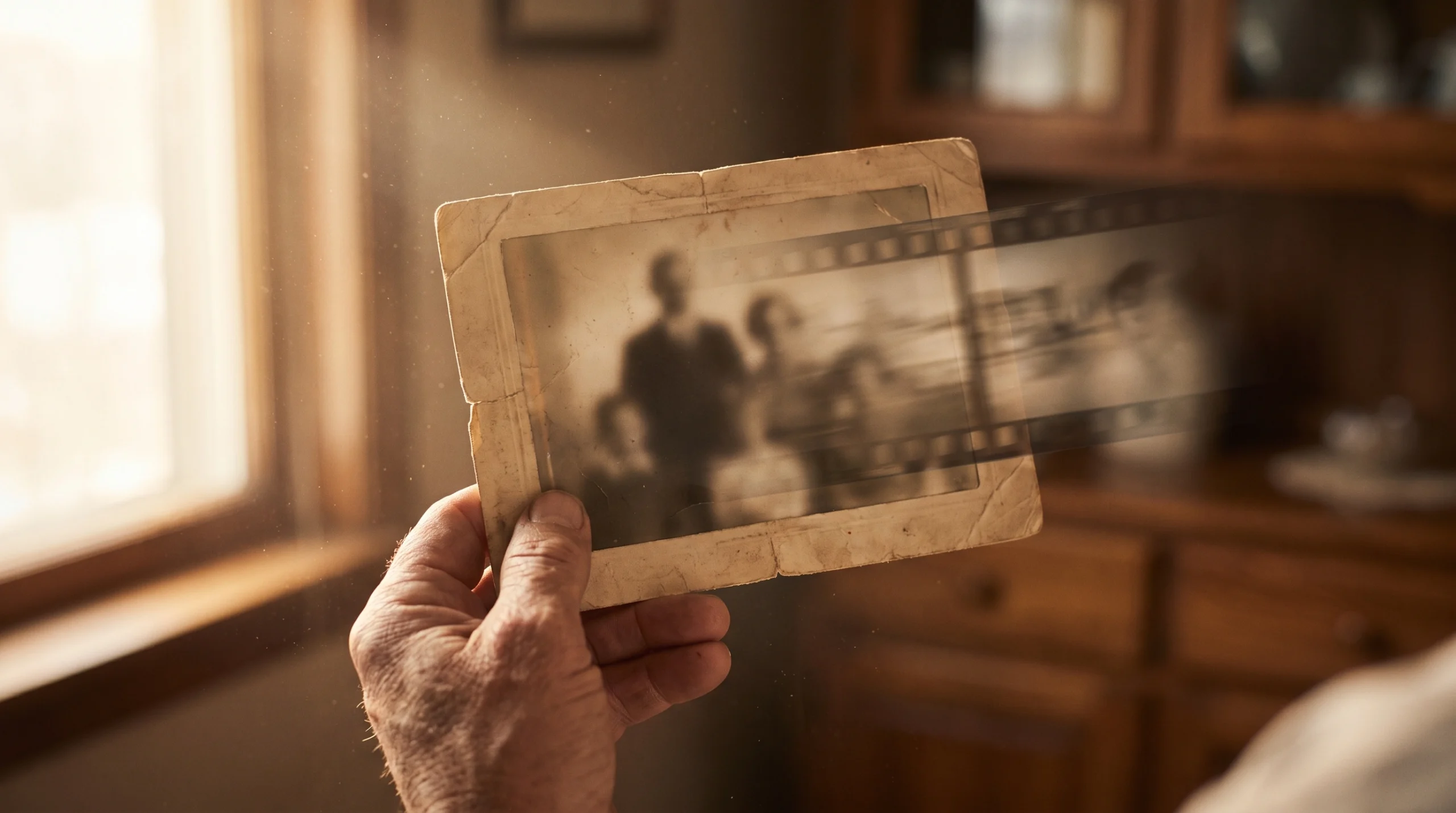
A close friend of his, someone we also work with, had a milestone birthday coming up in about three weeks. The idea landed fully formed. Not a card. Not a speech. A fifteen-minute film that walked through his whole life, built entirely from the old family photographs his family had kept and the stories they could tell us about them.
Everyone has the tools now. That is not the interesting part
Let me get the machinery out of the way, because it is the least important thing here and the part everyone wants to hear about first.
The tools are cheap. They are on your laptop right now. We used AI image and video models to generate the footage, OpenAI’s latest image model to restore the old photos, and Claude as a kind of writers’ room, taking the co-founder’s memories and shaping them into a script that had an arc instead of a slideshow.
Anyone reading this could open the same tools tonight. The barrier is not access. It never is anymore.
So if the tools are free and the buttons are the same for everyone, what actually made this? Three weeks of a real team’s judgment. That is the whole answer, and the rest of this article is just me showing you what that judgment looked like in practice.
We did not become a film studio. We built one out of agents.
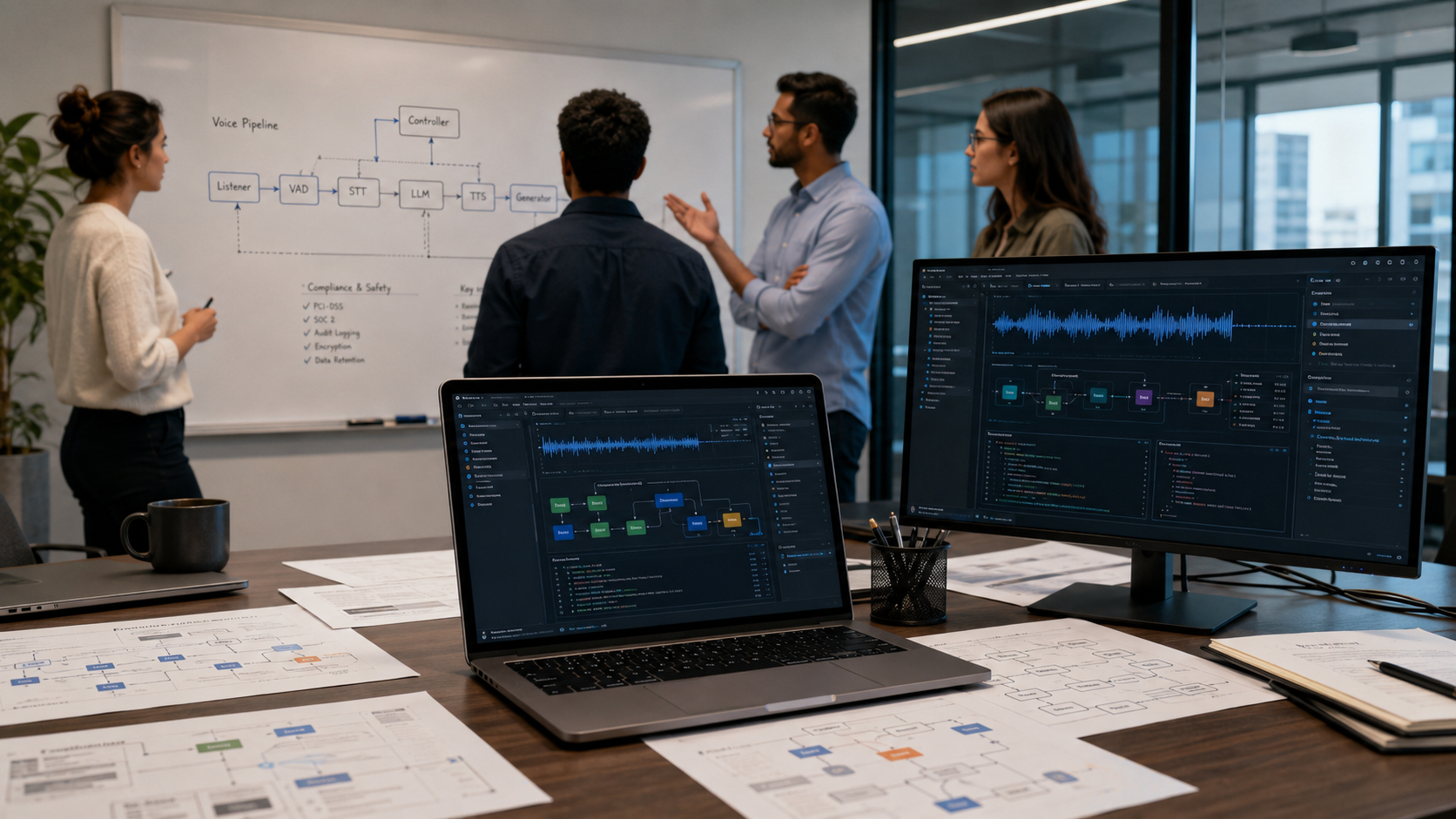
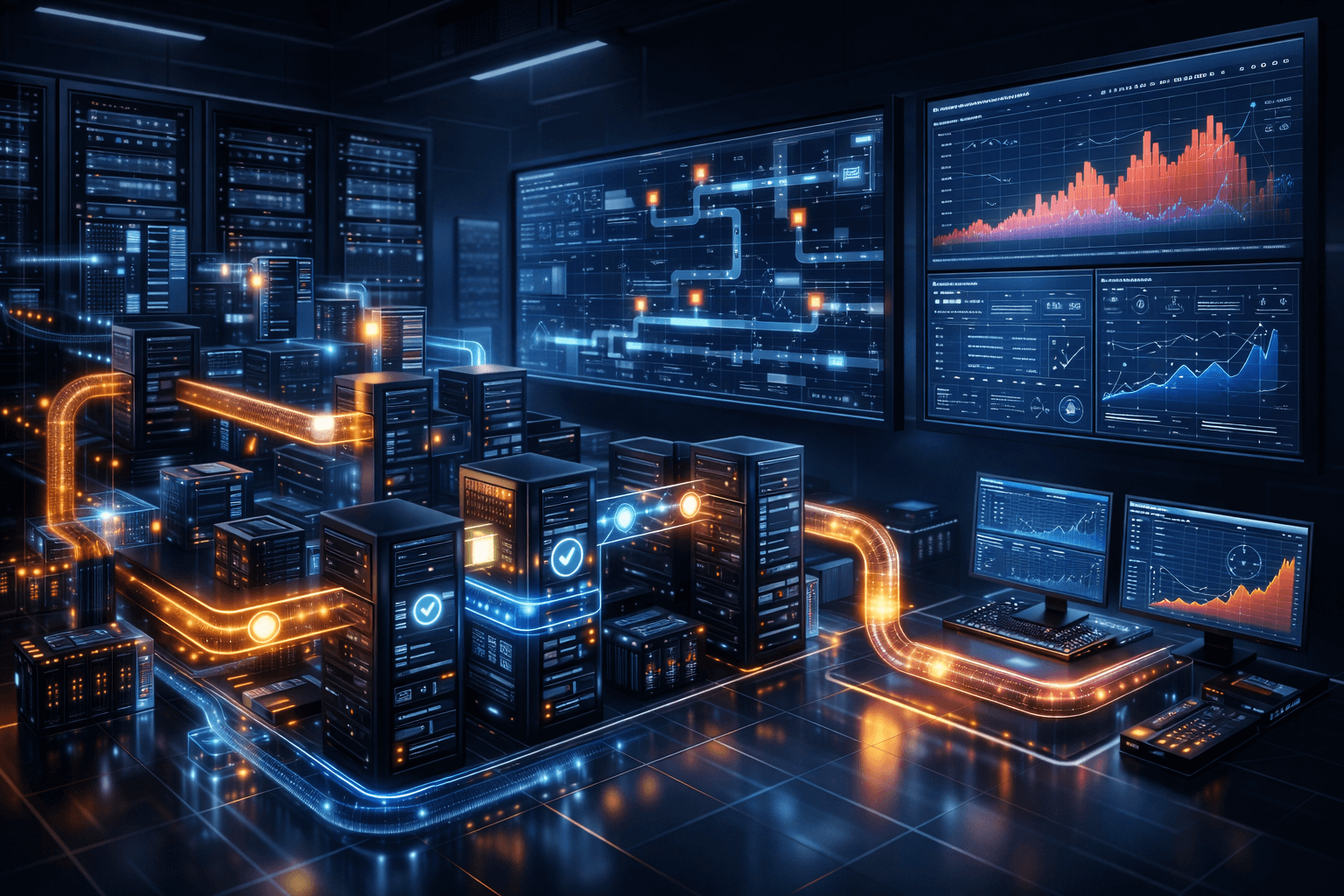
Over one weekend, with Claude Code, I took the internal content system I had been building and turned it into something closer to a film crew. Not one chatbot trying to do everything. A crew of specialized agents, each owning one job, each with its own knowledge base. A research agent that checked historical accuracy, the right truck for the decade, the right clothes, the right streets. A wardrobe agent. A locations agent. Prompt-writing agents that took a plain scene description and turned it into a director-grade shot. A chief-editor agent that held everything against the rules before it moved an inch forward.
Claude was the writers’ room. Our co-founder handed over raw, unordered memories of a close friend, and Claude shaped them into a real script and a scene plan.
I gave the agents long-term memory with a tool called MemPalace, so they would stop forgetting the rules of the world we were building. Everything lived in one shared GitHub repo with a single instructions file, so anyone could plug in cold.
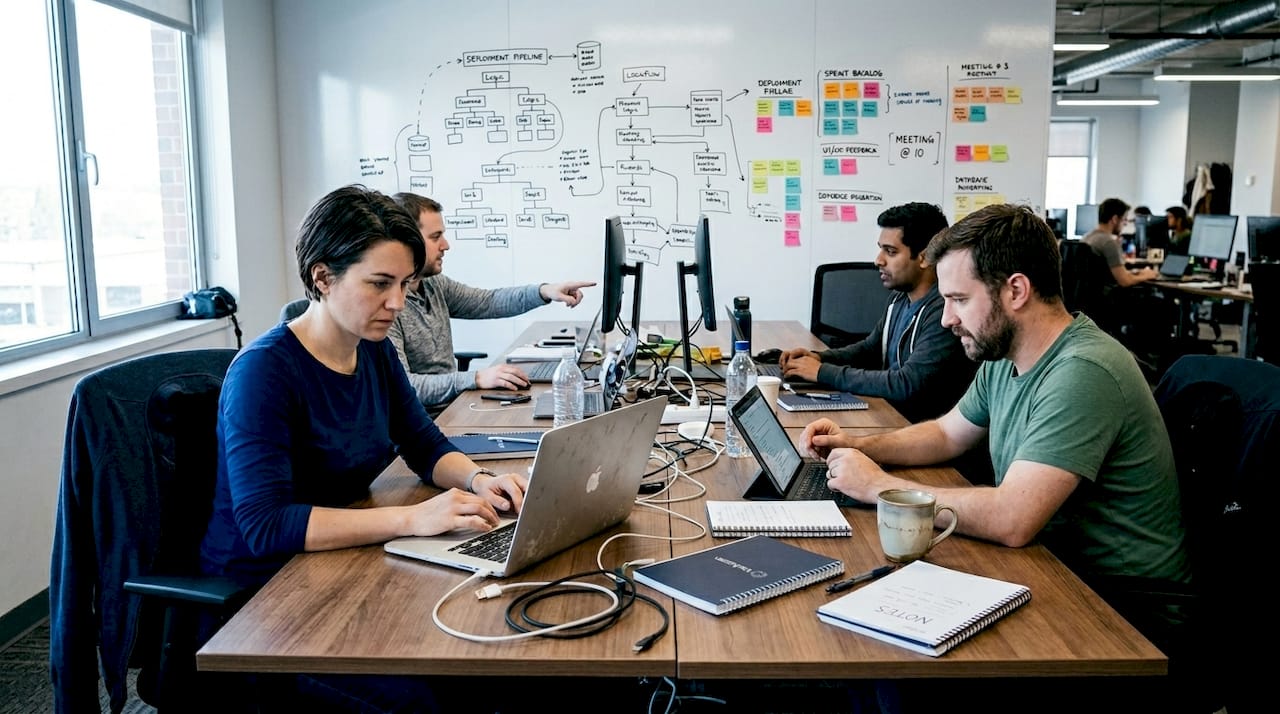
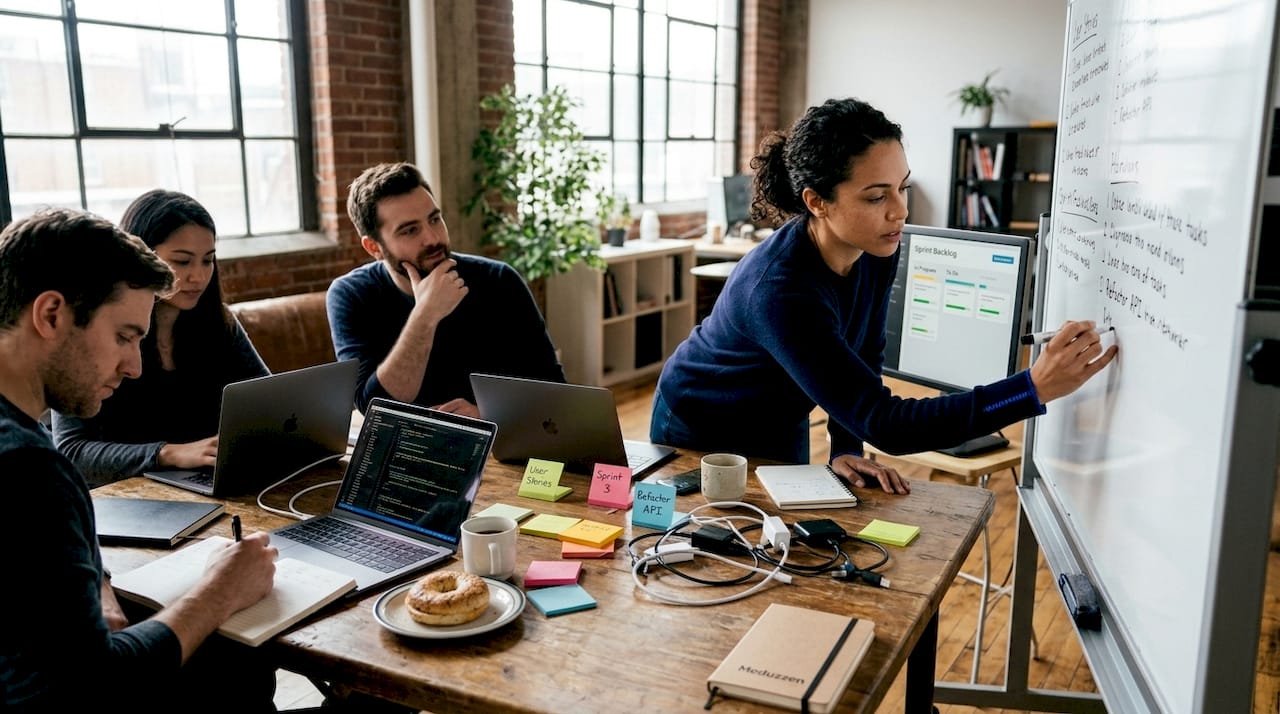
And that is exactly what happened, starting that same weekend. One of our AI engineers jumped in. She made the system better, adding the pieces I had missed on my own. Then more joined, seven engineers in the end, and because everything lived behind one repo and one instructions file, onboarding took almost no time. These are our AI developers, the same people who build agent systems for clients and know exactly how they misbehave. They hardened it, added features, ran agents in parallel, so the system got smarter as we went.
This is the same kind of system we build for clients. We just pointed it at a man’s life instead of a product.
The machine fought us the entire way
Nobody posting slick AI demos tells you this. Consistency is brutally hard, even when you are not inventing a face from nothing.
We had an advantage most AI projects do not. His family had kept photographs of everyone at every age. The boy at six. The teenager. His parents when they were young. His sister. His wife decades ago. We fed those into OpenAI’s image model to restore them into clean references, so we were anchoring to a real person instead of a face the model dreamed up.
It still drifted. Constantly.
No matter how carefully we restored a photo, the moment we asked the model to place that person in a new scene, the face slid. A jaw that was not quite his. Eyes set slightly wrong. Holding one recognizable human being together from a childhood to a wedding to middle age was a fight we were never winning, only managing.
The stills were not reliable either. It took roughly ten generated images to get one we could use. And even the keeper had errors. There is a shot of a man on a plane holding an AirPods case. Two earbuds sit inside. A third is already in his ear. Three AirPods, in a world that only makes two. We caught it because a person looked. The model never would have.
Then you set the images in motion, and a whole new layer breaks. Doors that opened by themselves before he reached them, as if he could move them with his mind. Once at an apartment entrance, again at the university. Nothing the model handed us could be trusted until a human had checked it, first in the still, then again once it moved.
And the fixes almost never came from a better prompt. They came from thinking like a director.
When a face would not hold, we reframed. Shot the person from behind. Built the scene so the hard part sat out of frame. The rule we kept relearning was to ask for less. The model has no understanding of the world, so the more you pile into a shot, the more it has to break. One scene animated a photograph of the university from the nineties, the hero walking in while the sign above the door had to stay readable. Take after take, it mangled the letters. The fix was not a cleverer prompt. We stripped the request down to a single sentence about what the man does, dropped the weather and the atmosphere, and the sign finally rendered clean.
Scale broke the same way. Ask it for a standard sheet of paper and it hands you a poster. An arm in a cast came back too short, then too long.
And when it simply could not put a thing where physics demanded, someone opened Photoshop and did it by hand. A shot looking up through the small ceiling windows of a helicopter at two spinning rotor blades. The model kept scattering the blades into the wrong windows at the wrong angles. So we placed the two blades by hand on the start frame, just to give the next generation something true to build on.
And sometimes the problem was not the prompt at all, but the reference. One shot kept sending the man backward through a door instead of left toward the kitchen, no matter how we worded it. The reference image was the culprit: the door behind him sat very slightly open, a thin dark gap, and the model could not stop reading it as an invitation. We regenerated the reference with the door fully shut, and it finally did as it was told.
Other times the camera was the enemy. The model could barely turn it without the whole room dissolving, so instead of forcing a pan we generated the next part of the room as its own shot and built forward from there. You learn to move the camera by cutting, not by asking the model to swing it.
Sometimes the fix was to kill the shot entirely. One scene needed a guard pointing at a wall of dark monitors, and the model could not keep the pointer in proportion to his hand. We tried a smaller one. Every version looked wrong. So we dropped the gesture and cut straight to the dark screens. It read better than the idea we started with.
That is the whole job. Not forcing the tool to do the impossible, but knowing when to stop arguing and take the shot it can actually give you. We looked at forty-five minutes of generated footage and threw away thirty of them to keep the fifteen that were true.
The software generates. The human decides. That is the craft.
What it actually cost
I want to be honest about the numbers, because honesty is the whole point of telling this at all.
About $1,055 in AI tools. And roughly 235 hours of our team’s time.
Seven engineers gave their time. One of them carried it the whole way alongside her own client work. The co-founder sat and pulled memories out of a life so we had something real to build from.
That is the ratio that tells the truth. A thousand dollars of software. Two hundred and thirty-five hours of people who cared. The software was the cheap part.
Yes, this was made with AI. Say it plainly
Right now there is a strong and, I think, correct backlash against AI video. People are calling it slop. Christopher Nolan is praising younger audiences for rejecting it. Brands are quietly pulling AI ads after the response curdles. Some cinemas are refusing to screen AI films at all.
I am not going to argue with any of that, because most of what people are rejecting deserves to be rejected. Most AI video is slop. It is made for reach, generated in minutes, checked by no one, meant for a feed and forgotten by the next scroll. It has no author and it shows.
So let me be plain about what this was instead, and let you decide if the word fits.
This was made for one person. Not for an audience, not for a click, not for a view count. One man, on one evening.
A machine decided nothing that mattered. It generated options. People chose. The script, the order of the memories, the moment to slow down, the errors to catch, the two thirds we threw in the bin, all of that was human judgment, made by a team that could name every reason for every cut.
It took 235 hours because we refused to ship the version the machine gave us. The AI was the brush. It was never the painter. If that distinction feels thin to you, I understand, but I would ask you to sit in the room at the premiere before you decide.
The room went quiet
We showed it at his birthday, in front of more than a hundred people.
There are two shots I keep coming back to. One is him as a small boy, before any of the rest of his life had happened to him yet. The other is his parents at the kitchen table at night, two glasses of tea going cold between them and a plate of cookies nobody is touching, the two of them just talking. Nothing happens in it. It is the most ordinary thing in the whole film, and it is the one that undid the room.
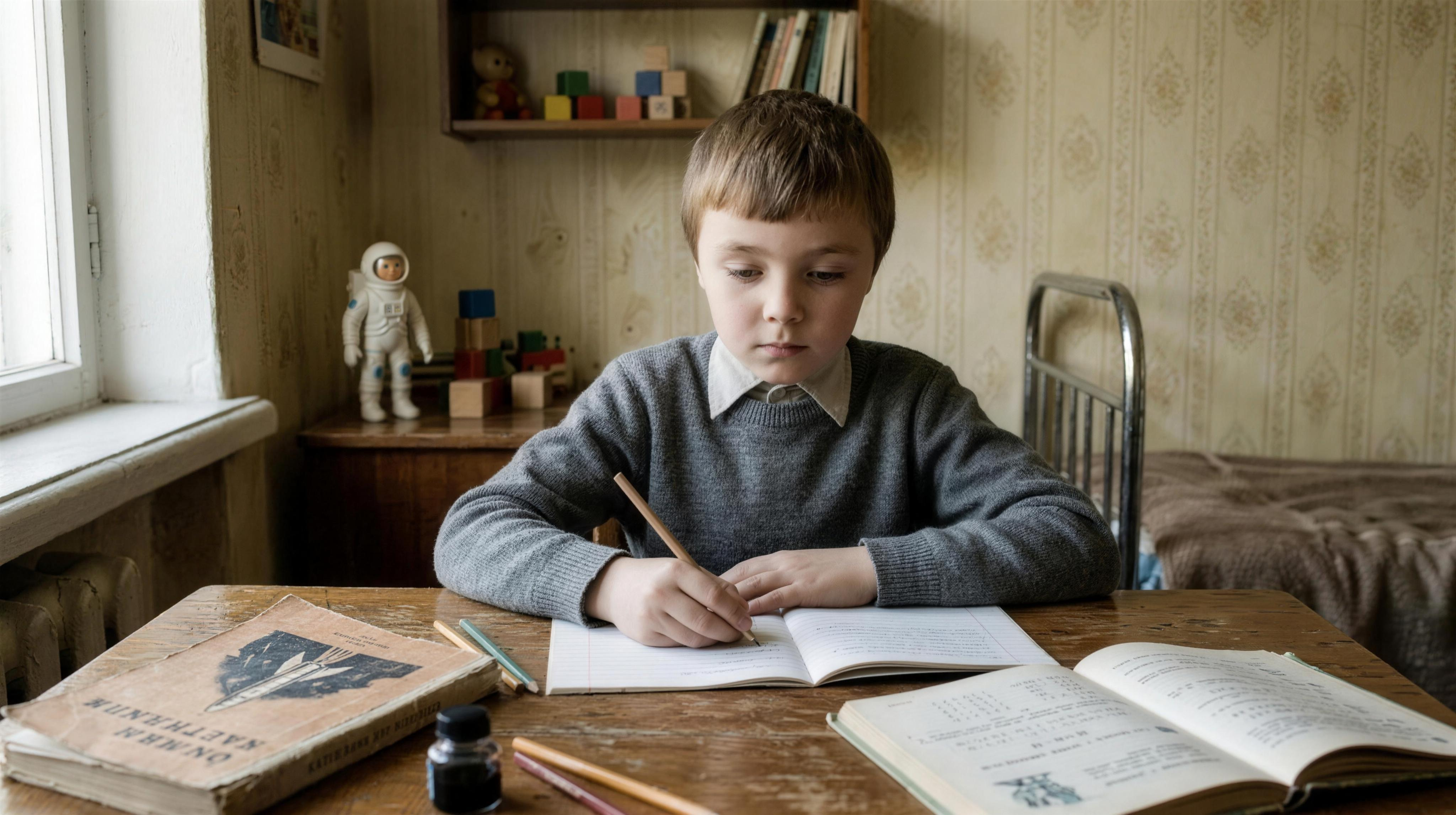
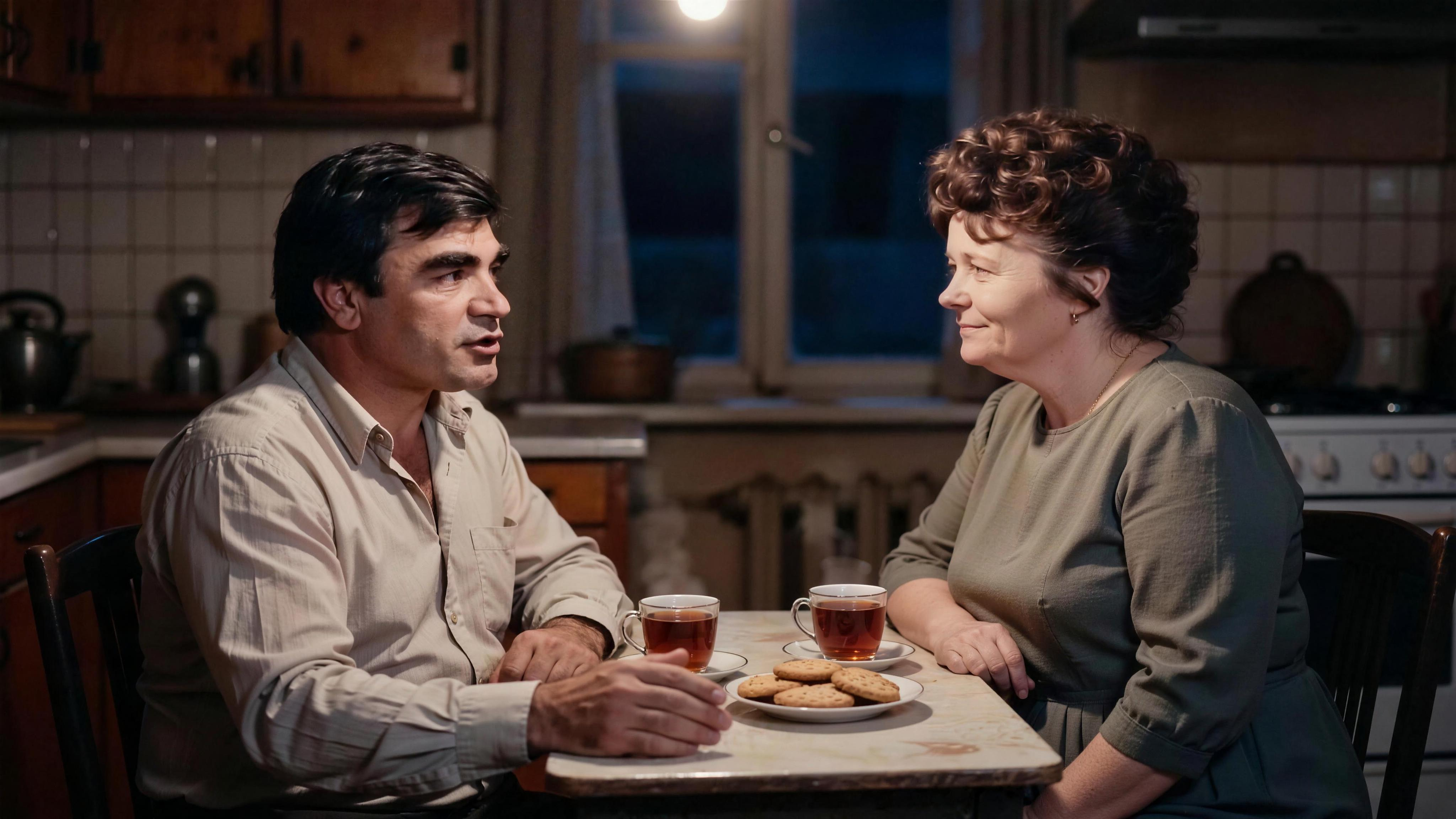
The silence came before the applause. The specific kind that arrives right before everyone in a room starts to cry. Not applause first. Silence first.
That silence is the only review I care about. You cannot generate it. You cannot prompt for it. It came from the gap between what the software could do alone and what the team refused to let it settle for.
What I actually took from this
The tools are commodities. They will keep getting cheaper and better, and everyone will have them, and that changes less than people think.
The film was not real because of the software. It was real because seven engineers gave time they did not have, because one person carried it alongside her day job, because a co-founder went digging through a life, and because all of us kept saying “no, not that one” until it was finally true.
AI did not make this. People did. AI just held the brush while they worked.
This was never a service we advertise. But the team and the system behind it are exactly what we build for companies every week. If that is closer to your problem than to cinema, you can hire the same AI developers who made this.
Frequently asked questions about AI filmmaking
Our 15-minute AI film cost about $1,055 in AI tools, plus roughly 235 hours of team time. In AI filmmaking the software is the cheap part. The human hours are the real cost.
A short AI film can be made in a few days. A longer, coherent narrative takes weeks. We made a 15-minute AI film in about three weeks with a small team, and most of that time went into directing, checking, and rejecting shots, not generating them.
Yes, you can make a complete, coherent narrative film with AI. The limit is no longer any single shot. It is holding a story, a world, and one character consistent across hundreds of AI-generated shots, which takes a system and a team, not a better prompt.
Character consistency in AI video comes from anchoring every shot to locked reference images, not to text descriptions, which drift. We restored the family’s real photographs into clean references with OpenAI’s image model. Even then the face drifted between shots, and a human had to catch it every time. No setting solves it on its own.
AI filmmaking runs on a stack, not one tool: an image and video generator (we used Higgsfield), an image model to build and restore character references (OpenAI’s latest), a writing model to shape the script (Claude), and a human editor to cut it. The tools matter less than the judgment running them.
No. AI slop is made fast, for reach, and checked by no one. An AI film is made slowly, for a reason, with real human authorship and judgment. We generated about 45 minutes of footage to keep 15, threw away two thirds, and a machine decided nothing that mattered.