


Hire Backend Developers
Most teams do not have a backend shortage. They have a backend bottleneck. Meduzzen places senior engineers who diagnose the delivery problem first, then integrate into your system in 48 hours. $35/hr. Zero platform fees.
Hire backend developers-
Top-rated
agency on Upwork -
370+
verified client reviews -
100%
Job Success
Backend developers for hire, vetted and ready to start
Browse developers




Value Proposition
What changes when you hire backend developers the right way

Production-tested talent
Real deployment experience across APIs, microservices, databases, and cloud infrastructure handling production traffic at scale.

Senior-backed matching
Every backend developer profile is validated against your stack and system constraints before you see it.

Fast onboarding
Your backend engineer joins your standup, tools, and codebase in 48 hours. No ramp-up friction. No platform fees.

Architecture judgment
Senior Meduzzen engineers review every match for backend architecture fit. You get someone who can own reliability, not just execute tickets.

Direct communication
Your backend developer answers directly to you. No account managers, no translation layer, no coordination overhead.

Fast replacement
If the fit is not right, we replace the developer within days so delivery keeps moving without interruption or delay.
Engagement models
Flexible ways to hire dedicated backend developers
Industries we serve
Backend teams deployed across these industries
Skills Grid
Hire backend developers by language, framework, and stack
Languages:
- Python
- Node.js
- Go
- Java
- Ruby
Databases:
- PostgreSQL
- MySQL
- MongoDB
- Redis
- Elasticsearch
How it works
How we match you with the right backend developers
Share requirements
Tell us about your backend system, tech stack, and delivery bottleneck. 20 minutes of scoping eliminates weeks of wrong profiles.
Review matched developers
We shortlist backend developers who match your stack, architecture, and system constraints. Every profile is pre-screened before you see it.
Interview developers
Meet the backend engineers, assess technical depth across APIs, databases, and infrastructure, and choose the right fit.
Start in 48 hours
Move forward with vetted backend developers in 48 hours. No platform fees, no account managers, direct access from day one.
Stories behind the success
What Meduzzen backend teams have shipped
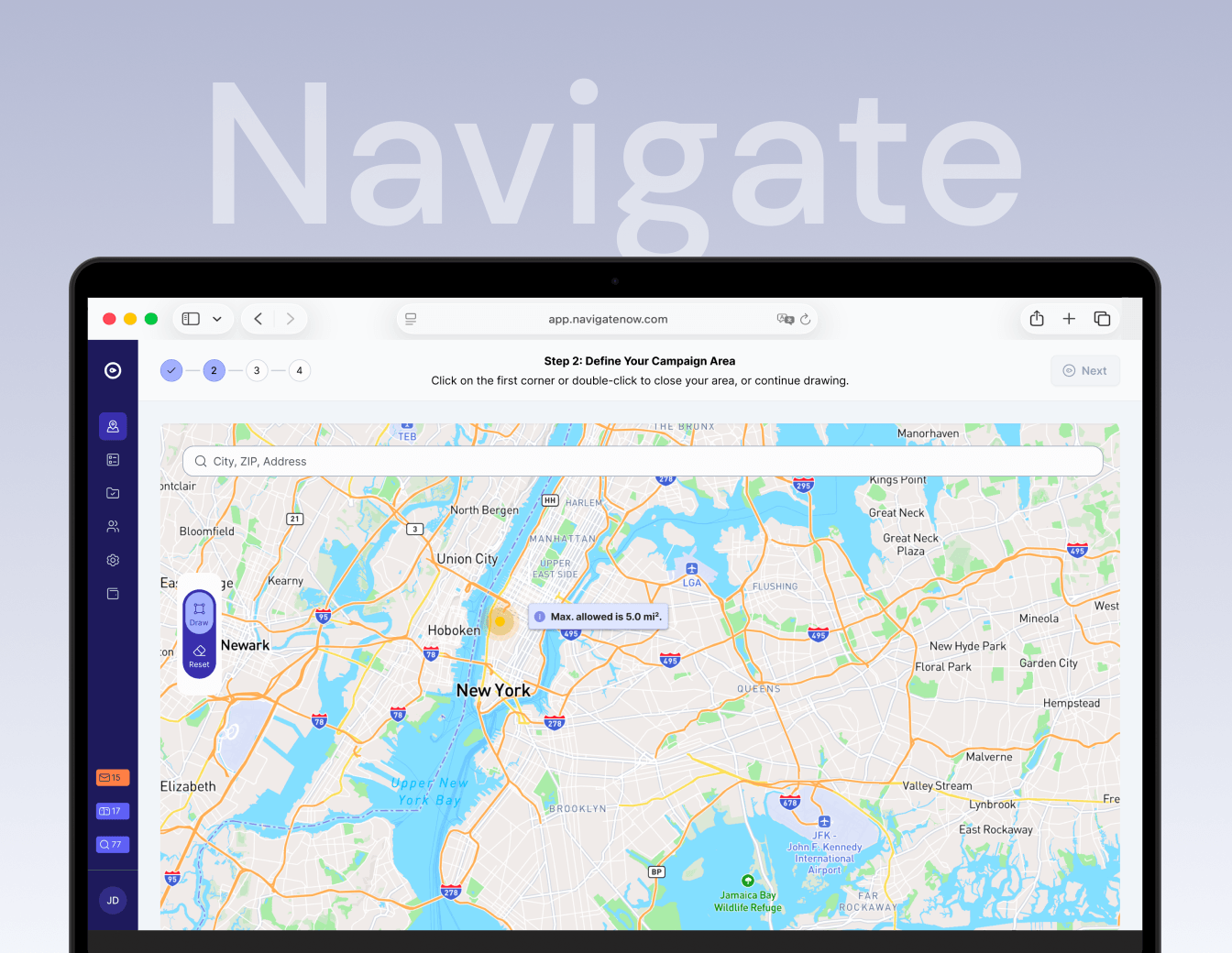


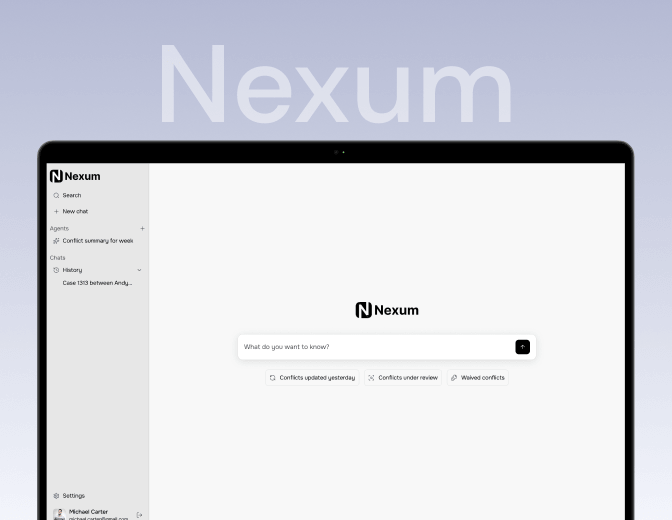
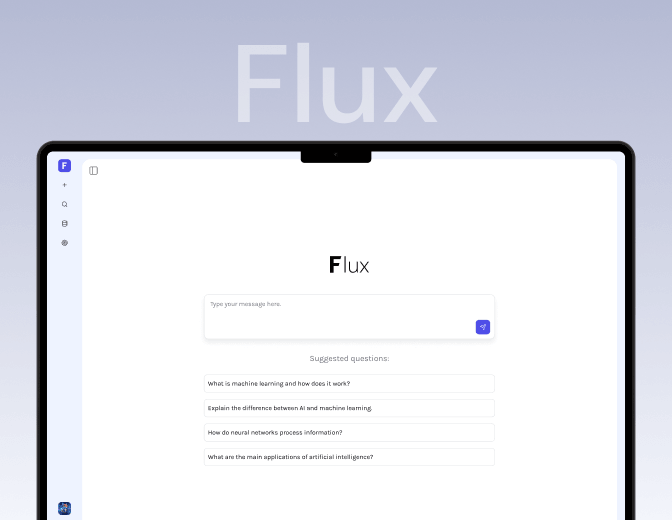
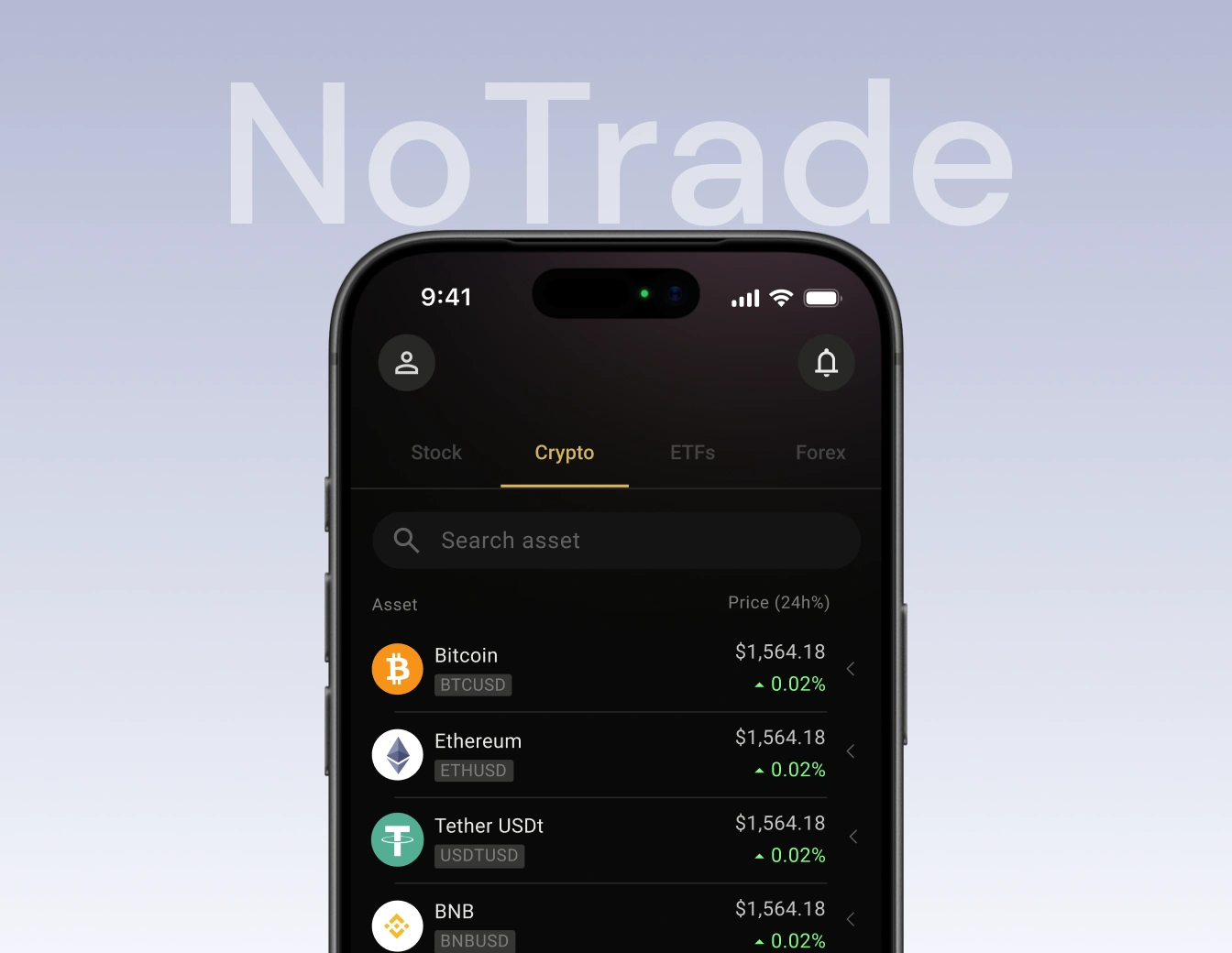
What our clients say
100% Job Success on
Upwork
Reviewed on


100% Job Success

Top Rated Plus
I had the pleasure of working with Meduzzen team, and I can confidently say they are one of the most talented Full Stack Developers I've come across. Their expertise in React and Python is outstanding, seamlessly handling both front-end and back-end development with precision and efficiency.

Full Stack development
Farhan Mahmood
AcademixHub · United Kingdom
Roman completed a Google Maps API project for us and helped with other front-end development work that required Jekyll and Django knowledge. He is responsive and easy to work and communicate with. I am sure we will work again in the future.

Front-End Developer for Google Maps API integration
Nikola Stefanov
Long Tail Marketing Limited · Canada
Great engineer, strong logic when approaching tasks and epics with the ability to bring new ideas and his experience to ensuring each project is built to the best standard.

Senior Back-End Engineer (Python, AWS CDK, FastAPI)
Jakub Lenski
Saber AI · United Kingdom
Very technical developer, helped build a custom Telegram script and additional development work. Will continue to work with – great communication and support. Thanks

Telegram Bot – scripting and automation expert
Tom Curry
Atlanta Group · United Kingdom
Very good communication. Very good web scraping work on a YouTube proxy project with Google Cloud support. I highly recommend Maksym for future web scraping projects.

YouTube Scraper – Production Debugging & DevOps Project
Gil Hildebrand
Supercharger Studio · United States
Working with Mark has been a great experience. He’s a talented developer who communicates tasks clearly and effectively. He takes initiative in solving complex problems and collaborates well with the team. His insights into our software design have been invaluable. Thank you for your dedication and hard work!

Python Expert with Fast API know-How
Emre Isik
skillbyte GmbH · Germany
Extremely experienced and professional freelancer. Hands-on approach with great attention to detail. Delivered high-quality results efficiently and independently. Highly recommended for any project requiring expertise and reliability.

Experienced Python Developer Hotfix Development
George Barsan
Damudo GmbH · Austria
Andrey is a reliable developer that is not afraid to take on any challenging task. He helped me with various n8n and zapier integrations with ghost and sendy and was always professional in his demeanour.

Ongoing dev troubleshooting
Barnaby Nagy
Common Sense UX Ltd · Colombia
Dmytro provided a python script that exactly satisfied my requirements. The code was very clean and logically structured. He made sure it worked in my application. I don't think he could have done a better job.

Full Time: Data Management and Business Analyst
David Greenbaum
OnPlan · United States
Vitaliy was excellent, he went over and above to deliver the project swiftly and provide a high-quality end product. Thank you!

Web Development using web scrapers and data analytics
Georgia Richards
Richello Limited · United Kingdom
An exceptional designer with a great eye for detail and creativity. Consistently delivers high-quality work, meets deadlines, and is a pleasure to collaborate with. Highly recommended!

UI/UX Designs figma
Farhan Mahmood
AcademixHub · United Kingdom
We enjoy working with Kirill very much. He is a reliable and skilled developer.

Developer for ML cloud platform developed in python and node.js
Kim Fanger
elunic AG · Germany
Its a pleasure to work with Andrew, he is a skilled engineer and he always deliver up to the expectations.

Cypress tests automated in github actions
Roch Delsalle
Roch & Cie · France
Working with Yurii has been a real pleasure. He is incredibly professional, responsive, and reliable. Every task was completed with attention to detail, clear communication, and a proactive mindset. What really stood out was his positive attitude, patience, and willingness to go the extra mile to make sure everything was just right. It’s rare to find someone who combines technical skills with high professionalism and kindness. I would highly recommend Yurii to anyone.

WordPress Developer
Ihor Zhabrovets
Amevalue · Ukraine
Comparison Section
Why companies hire backend developers through Meduzzen
|
Key hiring factors
|

|
Talent Networks
|
Freelance Marketplaces
|
|---|---|---|---|
|
Developer vetting
|
Senior backend engineer screening
|
Algorithm tests + interviews
|
No platform vetting
|
|
Architecture involvement
|
Senior backend architecture review
|
Depends on developer
|
No architecture support
|
|
Matching speed
|
~48 hours
|
2 days–2 weeks
|
Instant access, slow vetting
|
|
Platform fees
|
No platform fees
|
Placement fees / subscription
|
Transaction fees
|
|
Dedicated developers
|

|

|
|
|
Replacement guarantee
|
|
Depends
|
|
|
Direct communication
|
Direct with developers
|
Platform-managed communication
|
Direct but unmanaged
|
|
Team scaling
|
1 backend engineer → full backend pod
|
Mostly individual hires
|
Individual freelancers
|
|
Project accountability
|
Shared delivery responsibility
|
Freelancer responsible
|
Client responsible
|
|
Long-term collaboration
|
|
Mostly project-based
|
|
Start working with vetted backend developers in 48 hours
- No recruitment fees
- Start in 48 hours
- Transparent process.
Remote backend developer rates
How much does it cost to hire backend developers in 2026?
| Experience | Meduzzen | Toptal | Upwork | Lemon.io | In-house (US) |
|---|---|---|---|---|---|
| Senior backend developer | $35/hr | $60-150/hr | $75-100+/hr | $81-140/hr | $148/hr (loaded) |
| Hiring time | 48 hours | 1-3 weeks | 1-4 weeks | 48 hours | 60-142 days |
| Platform fees | None | $500 deposit + $79/mo | 3-10% client fee | ~40-60% embedded markup | N/A |
| Hidden costs | None | 30-50% markup in rate | Contract initiation fee | Minimum hour commitments may apply | Benefits, recruiting ($26-44K), overhead |
Hiring Guide
How to hire backend developers in 2026
Contents
Most companies that struggle to hire backend developers are not failing at sourcing. They are failing at scoping. The job description describes a unicorn. The interview measures the wrong things. The process takes 90 days for a candidate who expired after 10. By the time an offer goes out, the engineer has accepted something else.
There is a faster path to hire backend developers. This guide covers what backend developers actually do in 2026, what skills define a senior hire, how much it costs, what evaluation predicts performance, and why companies under delivery pressure choose Meduzzen over internal hiring, open marketplaces, and premium platforms. 370+ Upwork reviews. 100% Job Success. Top Rated Plus. $35/hr. 48-hour shortlist. No platform fees. If you are already ready to start, skip to the final section.
What is a backend developer?
A backend developer owns the part of your system that users never see but entirely depend on. Server logic, data persistence, API design, authentication, business rules, background processing, integrations, and the performance layer that determines whether your application is fast, reliable, and secure under real traffic.
When companies hire backend developers, they are buying the infrastructure that makes everything else work. A failing backend is invisible until it causes an outage, a security breach, or a missed launch. That is the risk you are managing when you hire backend developers for production systems.
What does a backend developer do in 2026?
Backend developers build and maintain the infrastructure that processes data, executes business logic, and delivers it to any client that requests it. In practice that means designing database schemas, building REST and GraphQL APIs, handling authentication and authorization, writing background workers and message queue consumers, integrating third-party services, and owning the observability layer that makes production systems debuggable when things go wrong.
In 2026, the scope expanded. The Dice US Tech Job Market Report (May 5, 2026) found AI skills in 71% of US tech job postings, up 181% year over year. Vector database and AI infrastructure demand grew over 250% year over year. Backend developers who cannot build RAG pipelines, integrate LLM APIs, and manage the data infrastructure AI agents depend on are competing for a narrowing slice of the market.
Meduzzen pre-screens for this expanded scope. Senior backend developers we place have production experience across APIs, microservices, databases, and cloud infrastructure. Many have direct experience with FastAPI and Python AI integrations, consistent with our own Aizen voice agent product built on Python in production. You are not taking a chance on whether the developer handles modern backend requirements. We verify it before you meet them.
What languages do backend developers use in 2026?
Backend has fragmented into language communities with distinct strengths. The Stack Overflow Developer Survey 2025 (49,000+ developers, 177 countries) and JetBrains State of Developer Ecosystem 2025 show the current distribution:
| Language | SO 2025 usage | TIOBE May 2026 rank | GitHub Octoverse 2024 rank | Trend |
|---|---|---|---|---|
| Python | 57.9% | 1st, 19.98% | 1st (first time ever) | AI surge, 98% YoY AI repo growth |
| JavaScript / Node.js | 66% | 6th | 2nd | Plateaued per JetBrains 2025 |
| Java | 29.4% | 3rd, 7.94% | 4th | Stable, enterprise financial systems |
| C# / .NET | 27.8% | 5th, 5.41% | 5th | Strong in Microsoft-stack environments |
| Go | 16.4% | 16th | 10th | No. 1 future adoption intent per JetBrains 2025 at 11% |
| PHP / Ruby | 18.9% / 6.4% | Declining | Outside top 10 | Long-term decline per JetBrains |
Sources: Stack Overflow 2025, JetBrains 2025, TIOBE May 2026, GitHub Octoverse 2024.
When you engage Meduzzen to hire backend developers, tell us your primary language and stack. We match against it specifically. A team building Python FastAPI microservices gets Python FastAPI engineers, not generalist backend profiles that happen to have touched Python.
Should I hire a backend developer or a full stack developer?
This decision affects what gets built, not just what it costs. Choosing the wrong profile sets you back months.
Hire a dedicated backend developer when your system handles high concurrency or financial transaction volume; your database needs deep schema design and query optimization; your API layer serves multiple clients and needs versioning and contract discipline; security requirements are non-negotiable in fintech, healthcare, or legal contexts; your engineering team is past 15 people; or you are building AI-native infrastructure including RAG pipelines, vector stores, or LLM orchestration.
See our full stack developers page for when generalist hiring makes sense. The short version: full stack is right for early-stage products where one engineer owns an entire feature end to end. Once you hit scale, reliability, or security pressure, that calculation inverts and you need to hire dedicated backend developers.
Meduzzen places both. If you are unsure which profile solves your problem, describe the delivery bottleneck in your first call and we will tell you what to hire. We also place Python developers and Node.js developers if your backend hire needs to be stack-specific.
What skills does a senior backend developer need in 2026?
When companies hire backend developers and then regret it, the most common cause is not a bad interview. It is a skills mismatch that was never tested. This section covers what a senior backend developer in production must have in 2026.
What are the core technical skills every backend developer must have?
Every senior backend developer must have depth in at least one primary language, production experience with relational databases, and the ability to design stable, well-documented APIs. Meduzzen’s pre-screening separates production experience from resume claims before you see a profile.
Core requirements: one primary language at production depth; relational database design including schema normalization, indexing strategy, migration discipline, and query optimization. PostgreSQL is the benchmark: it is the most admired database globally for the third consecutive year, with 66% of professional developers wanting to continue using it and 47% planning to adopt it for new projects per Stack Overflow 2025. REST API design including versioning, status code discipline, idempotency, and error contracts. OAuth 2.0 and JWT authentication. Async patterns and non-blocking I/O. OWASP Top 10 security awareness. Docker and CI/CD pipeline ownership.
Senior backend engineers in 2026 own their infrastructure layer. CI/CD configuration, container setup, and observability tooling are backend responsibilities, not a separate DevOps lane. Meduzzen pre-screens for this. Developers who only write application code and hand off infrastructure to someone else are not the profile we place at the senior level.
What backend frameworks are most popular in 2026?
Within Python, FastAPI jumped from 29% to 38% usage among Python developers per the JetBrains State of Python 2025, officially overtaking Django in momentum. FastAPI is the default choice for async-heavy APIs and AI inference pipelines. Django holds 35% and remains the right call for security-first, admin-panel-driven, or content-heavy applications.
Within JavaScript, Express.js remains the dominant Node.js routing framework. NestJS is growing in enterprise share, preferred for large TypeScript backend systems requiring structured dependency injection. Spring Boot is the enterprise standard for Java microservices. ASP.NET Core holds strong in C# environments.
Meduzzen developers cover all of these stacks. When we shortlist backend engineers for you, every profile has been matched against your specific framework requirements, not just the language category.
What cloud platforms do backend developers work with?
AWS holds 43% developer market share per JetBrains 2025, with GCP and Azure tied at 22% each. Docker usage jumped 17 percentage points to 71% in Stack Overflow 2025. Kubernetes is standard for orchestrated deployments at scale.
What AI skills do backend developers need in 2026?
The PwC 2025 Global AI Jobs Barometer analyzed nearly one billion job postings and found workers with genuine AI skills command a 56% wage premium over peers in the same role without them. When you hire backend developers for AI-native systems, these are the skills that separate the candidates who can do it from the ones who say they can:
- RAG system design: chunking strategy, embedding model selection, pgvector or external vector store integration (pgvector is now the most downloaded and most-forked AI-related extension in Postgres history per the PostgreSQL community)
- LLM API orchestration: multi-step agent workflows, context window management, fallback logic
- MLOps and production model serving: wrapping models in APIs, monitoring drift, managing model versioning
- Inference optimization for production GPU serving
Meduzzen’s own Aizen product is a Python FastAPI AI voice agent in production. You can read more about how our backend team approaches AI voice architecture in our article on building an AI voice agent backend. When you hire backend developers through Meduzzen for AI workloads, we source from engineers who have shipped it in production.
How much does it cost to hire a backend developer in 2026?
Before you hire backend developers, you need an honest cost picture. Most companies underestimate the fully loaded number and end up surprised when the budget runs out before the role is filled.
How much does a backend developer make in the United States?
| Source | Figure | Date | Notes |
|---|---|---|---|
| Glassdoor | $166,103/yr mean | April 2025 | ML model, 126 salary submissions |
| Indeed | $148,469/yr mean | April 28, 2026 | 102 active employer postings |
| ZipRecruiter | $139,839/yr mean | 2026 | Algorithmic scan of US postings |
| BLS SOC 15-1252 | $133,080/yr median | May 2024, pub. Aug 2025 | Base wage only, all US industries |
| Levels.fyi (via Daily.dev) | $185,000-$260,000/yr | 2026 | Senior backend total comp, tier-one tech |
The BLS figure excludes equity and covers all industries including non-tech. Competitive tech employers pay in the $150,000-$200,000+ range for senior backend talent.
What is the real cost of hiring a backend developer in-house?
Base salary is not your cost. Per the BLS Employer Costs for Employee Compensation release for December 2025 (published March 20, 2026), benefits represent 29.9% of total compensation for private industry workers. Add recruiting agency fees of 15-30% of first-year salary, which is the published standard range per HRMango, Pin, and Leonar (all 2026). Add onboarding ramp time where output is below full capacity.
Conservative year-one calculation at $150,000 base:
- Base salary: $150,000
- Benefits burden at 29.9% per BLS ECEC December 2025: $45,000
- Recruiting agency fee at 20%: $30,000
- Year-one total: approximately $225,000 and above
And that is before failure risk. Per the SHRM framework, replacing a failed senior technical hire costs 100-150% of annual salary. Independent analyses put the compounded cost at $240,000 per incident for senior technical roles once productivity loss, team disruption, and restart costs are included.
How does Meduzzen’s rate compare to other platforms?
The rates section above this guide shows the full comparison: Meduzzen at $35/hr versus Toptal, Upwork, and Lemon.io with all fees and markup disclosed. The short version is that the $35/hr Meduzzen rate includes no subscription, no deposit, and no margin extraction between what you pay and what the backend engineer earns. The fully loaded cost of an in-house hire at $150,000 base runs to approximately $225,000 in year one before any failure risk is counted. Staff augmentation through Meduzzen eliminates the benefits burden, recruiting fee, and ramp time at a single all-in rate.
How long does it take to hire a backend developer in 2026?
Longer than most CTOs expect, and getting worse every year. Understanding why the market is broken changes how you structure your process and what alternatives you consider.
Why is it hard to find senior backend developers right now?
| Metric | Figure | Source |
|---|---|---|
| Average time-to-fill, senior developer | 90+ days | FullScale 2026 |
| Time-to-fill increase since 2022 | 36.8% | Greenhouse Hiring Benchmarks 2026 |
| Days top candidates stay available | 10 days | Manatal 2026 |
| Offer acceptance rate | 51% (down from 73%) | Daily.dev and FullScale 2026 |
| Employers globally reporting difficulty | 72% | ManpowerGroup 2026 Talent Shortage Survey |
Greenhouse Hiring Benchmarks 2026 (6,000+ companies, 640 million applications) puts average time-to-fill at 56.7 days across all jobs, a 36.8% increase since 2022. For senior developer roles, FullScale 2026 puts it at 90+ days.
The process is getting slower while candidates are getting faster to expire. A 90-day process competes for candidates who expire in 10 days. Half of all extended offers are declined. Every failed offer represents weeks of engineering time. Then the process restarts.
Why is there a backend developer shortage in 2026?
The ManpowerGroup 2026 Talent Shortage Survey (39,063 employers, 41 countries, February 26, 2026) found that for the first time in the survey’s history, AI skills are the hardest category to source globally, ahead of traditional engineering and IT. In the United States specifically, 69% of employers report difficulty finding skilled talent. Senior backend developers who can architect AI-native infrastructure are the scarcest profile in the market.
How Meduzzen hires backend developers in 48 hours
Meduzzen does not start vetting when you submit a request. The vetting is already done. When you tell us your stack and your delivery problem, we pull from a curated pool of senior backend developers who already passed technical evaluation, English fluency assessment, and a production experience review. You receive a shortlist in 48 hours. Your interview time is spent on fit and architecture, not on filtering.
That puts you inside the 10-day window where top candidates still exist. That is the difference between hiring the backend engineer you want and reading a rejection email.
How to evaluate a backend developer in 2026
The most expensive backend developer hiring mistakes happen not because companies hired from the wrong platform. They happen because the evaluation process measured the wrong things.
What does research say about hiring backend developers?
Sackett, Zhang, Berry, and Lievens (2022), “Revisiting Meta-Analytic Estimates of Validity in Personnel Selection,” Journal of Applied Psychology, 107(11), DOI: 10.1037/apl0000994, established the revised predictive validity hierarchy for hiring:
| Selection method | Predictive validity (r) |
|---|---|
| Structured interviews | 0.42 – highest of all methods assessed |
| Work sample tests | 0.33-0.54 |
| Cognitive ability tests | 0.31 |
| Unstructured interviews | 0.19 |
| Years of experience | 0.06 – near zero |
Years of experience predicts job performance at r = 0.06. Near zero. A 10-year resume does not predict a strong backend hire. A structured work sample does. Companies that filter backend developer CVs by tenure are expensive and statistically inaccurate.
The Leadership IQ study of 20,000 new hires across 1,463 North American corporations found that 46% fail within 18 months. 89% of those failures are behavioral: coachability 26%, emotional intelligence 23%, motivation 17%, temperament 15%. Only 11% of failures come from actual technical skill gaps. Technical screening alone solves the smaller problem.
Google’s internal research, published by Laszlo Bock in Work Rules!, found four structured interviews achieve 86% hiring accuracy. Each additional interview beyond four adds only 1% incremental predictive power.
Meduzzen’s pre-screening handles the structural part before you see a profile. By the time a backend developer reaches your interview, they have already passed technical evaluation, English fluency assessment, and a production experience review.
What should I test when interviewing a backend developer?
These four tasks are language-agnostic and test backend-specific reasoning in production contexts. They do not test algorithm memorization and they cannot be passed by prompting an AI tool.
Task 1: Database schema design (25% weight)
Give a real scenario: a SaaS platform with tenants, users, plans, and feature flags. Ask for a normalized relational schema, indexing justification, soft-delete approach, and performance at 10 million rows. Tests production-grade data modeling. A strong backend developer immediately asks about query patterns before designing indexes.
Task 2: API contract design (25% weight)
Design the full API contract for a payment intent system: endpoint structure, HTTP verbs, status codes, error response format, pagination, versioning. Follow-up: how do they handle a breaking change without disrupting existing clients? Tests real-world API judgment. See our article on API development for scalable systems for what production-grade API design looks like.
Task 3: Async and concurrency problem (20% weight)
Synchronous email dispatch on user registration is blocking the HTTP response. Architect the async solution: message queue selection, worker setup, retry logic, dead-letter handling, monitoring approach. Tests production systems thinking, not syntax recall. A senior backend developer draws the full failure mode map including the unhappy path.
Task 4: Security hardening and AI code review (15% weight)
An endpoint with three deliberate vulnerabilities: SQL injection via string concatenation, missing authentication on an admin route, and secrets logged to console. Identify and fix all three. Optional: provide 50 lines of AI-generated backend code with subtle injected flaws and ask them to audit it. System design and code review assessment invitations grew 82% year over year per HackerRank 2025. The ability to catch what AI tools generate incorrectly is now the most important backend skill of 2026. Our article on NestJS vs Fastify vs Express covers how we approach framework-specific evaluation at Meduzzen.
Structured behavioral interview (15% weight)
30-minute conversation around a past project with a consequential architectural decision. Probes: “Why that approach?” “What did you get wrong?” “How did you communicate the trade-off to your team?” Score on clarity, ownership, and coachability. This is where 89% of new hire failures are predicted or prevented.
How do you tell if a backend developer is truly senior?
Strong senior backend developers show specific patterns in their code repositories: database migration files and schema versioning history (production database ownership); API documentation artifacts including Swagger or OpenAPI specs; integration and unit test coverage (absence is a negative signal); structured commit history with meaningful messages; code review evidence in PR discussions; open-source contributions with peer review history.
Junior developers use portfolios to show how they wrote code. Senior backend engineers use them to explain why they architected a system a specific way. Meduzzen evaluates these signals before shortlisting. You see profiles that already passed this review.
What are the most common backend developer hiring mistakes?
These five mistakes consistently explain why companies spend six months trying to hire backend developers and end up with the wrong person, or no one.
Filtering on years of experience. Years of experience predicts job performance at r = 0.06 per Sackett et al. (2022). Near zero. A 10-year CV does not predict a strong backend hire. Replace experience thresholds with structured task performance. Meduzzen’s pre-screening replaces this filter before the shortlist reaches your inbox.
Running LeetCode tests in 2026. AI tools solve standard LeetCode problems on first attempt. Senior backend engineers who are currently employed and receiving multiple offers frequently decline to participate in abstract algorithm tests. You filter in the wrong candidates and filter out the right ones. Replace with the four-task rubric above. All Meduzzen backend developers are pre-screened on applied engineering tasks, not syntax memorization.
Writing job descriptions that list 15 technologies. A description requiring Go, Node.js, Python, Java, Docker, Kubernetes, AWS, GCP, PostgreSQL, MongoDB, Redis, Kafka, Elasticsearch, Terraform, and CI/CD is not describing a backend developer. It is describing an impossibility at a price you can afford. Meduzzen’s intake process includes 20 minutes of scoping to define the actual requirements before any search starts.
Optimizing for hourly rate over total cost. A $25/hr developer requiring $40/hr of senior engineering review and rework is not cheaper than a $35/hr developer who ships production-ready code. The compounded cost of a failed backend hire reaches $240,000 per incident at the senior level per the SHRM framework. Meduzzen charges $35/hr for verified senior depth. You do not gamble on whether the developer can handle your system. We already confirmed it.
Moving too slowly. Top backend developer candidates are off the market in 10 days (Manatal 2026). Offer acceptance is 51%. If your process requires four rounds of interviews, a panel review, an approval committee, and legal review before an offer goes out, you are structured for candidates who do not exist in the 2026 market. Meduzzen’s 48-hour shortlist puts you inside the window. If you can decide in two weeks, we can put a backend developer on your team.
Where to find backend developers for hire in 2026
There are four real options to hire backend developers in 2026: staff augmentation agencies, curated talent marketplaces, open freelance marketplaces, and direct sourcing. Each has a different cost structure, vetting standard, and speed profile.
How to choose a platform to hire backend developers
| Platform | Senior rate | Match speed | Key trade-off |
|---|---|---|---|
| Meduzzen (staff augmentation) | $35/hr | 48 hours | No markup, direct access, replacement guarantee, pre-vetted senior pool |
| Toptal | $60-200+/hr (per independent audits) | 1-3 weeks | Strong vetting, fully opaque pricing |
| Upwork | $39+/hr baseline | Variable | No platform vetting standard, adverse selection at lower rate bands |
| Lemon.io | $61-100/hr | 48 hours | Minimum 160-hour commitment, embedded margin |
| Arc.dev | $60-100+/hr | 72hrs freelance, 14 days full-time | Volume model, limited dedicated engagement |
Why open marketplaces create hidden costs when you hire backend developers
Upwork’s published senior rate baseline is $39/hr. The platform does not enforce vetting standards before a developer applies. Adverse selection at lower rate bands is documented. The $39/hr developer who ships code requiring your CTO to spend 30% of their week reviewing and fixing has a true effective rate closer to $100/hr. Meduzzen charges $35/hr for a developer who does not require that overhead.
Why premium platforms cost more than they appear
Toptal charges $60-200+/hr in a blended rate per independent platform audits (Toptal does not publish rates publicly). The blended rate bundles the developer’s pay with Toptal’s undisclosed margin. You also pay a $500 deposit before a search starts and a $79/month subscription for the engagement duration. Meduzzen charges $35/hr. No subscription. No deposit. No margin extraction between what you pay and what the backend engineer earns.
Should I use staff augmentation or hire a backend developer directly?
Staff augmentation through Meduzzen means dedicated backend developers embedded in your team at a fixed hourly rate, with no employment liability, no benefits burden, and a replacement guarantee if fit is not right. It is the fastest path to a production-ready senior backend engineer for most companies.
Direct sourcing is right if you have a technical co-founder who prefers to own the pipeline. Backend engineers who contribute to PostgreSQL, Django, FastAPI, Spring Boot, NestJS, or the Go standard library are demonstrating senior capability publicly. GitHub contributor lists and language-specific Slack communities carry lower competition than job boards. The trade-off is time. Building a direct pipeline takes months. Meduzzen’s staff augmentation model gives you the same caliber of backend engineer in 48 hours with none of the pipeline overhead.
Why hire remote backend developers from Ukraine in 2026?
The decision to hire remote backend developers from Ukraine is increasingly not about cost. It is about access to a talent pool that is deep, growing, and currently a buyer’s market for Western companies.
How large is the Ukrainian backend developer talent pool?
The IT Ukraine Association “Economy Code” report (published April 10, 2026, in collaboration with DataDriven Research & Consulting, supported by the Ministry of Digital Transformation) verified that Ukraine’s IT market reached $7.85 billion in 2025. The sector employs 305,000 IT professionals across 2,243 active companies. The State Statistics Service of Ukraine recorded $6.66 billion in IT export revenue in 2025, a 3.3% year-over-year increase, representing 41.6% of Ukraine’s total service exports.
The Lviv IT Cluster IT Research Ukraine 2025 report (December 2025, comprehensive nationwide polling) independently verified 303,000 specialists across 2,062 verified companies. Of those, 245,000 work within Ukraine’s borders, a number that increased 2.9% year over year in 2025 as expatriated professionals returned home. The domestic talent pool is growing. This is not a sector in contraction.
Why 2026 is the right time to hire backend developers from Ukraine
DOU Winter 2026 Developer Survey (4,522 respondents, December 2025): median senior software engineer salary dropped $200 year over year to $4,500/month. Djinni platform analytics (87,371 active candidate profiles, Q1 2026): senior domestic median dropped $500 to $3,500/month. The Djinni Index measuring market heat fell to 0.32. There were 87,371 active candidates competing for 8,245 open positions.
For Western-facing remote roles, MindHunt (January 5, 2026) benchmarks senior backend developers at $4,800-$6,500/month by stack:
| Stack | Monthly rate (Western remote) |
|---|---|
| Go / Golang | $5,500-$7,500 |
| Python | $5,000-$7,000 |
| Java | $5,000-$6,800 |
| Node.js | $4,800-$6,200 |
| .NET / C# | $4,500-$6,200 |
These rates represent 60-75% total cost savings versus equivalent senior hires in San Francisco, London, or Berlin (MindHunt 2026). Meduzzen’s $35/hr rate sits at the lower end of the Western-facing remote range with zero platform overhead added on top.
Do Ukrainian backend developers speak English?
DOU Portrait 2025 survey of tens of thousands of active Ukrainian IT professionals: 63% report English proficiency at B2 or higher. EF English Proficiency Index 2025/2026: Ukraine scores 526, ranked 45th globally.
63% B2+ across a 305,000-person engineering workforce means you run standups, architecture discussions, and code reviews in English directly. No account manager translates. No coordinator intermediates. Your backend developer is in your Slack channel answering questions and making decisions in real time.
What time zone do Ukrainian backend developers work in?
Ukraine observes Eastern European Time (UTC+2 standard, UTC+3 summer). For US East Coast teams, this creates 3-4 hours of direct synchronous overlap in the morning: 9-11 AM EST maps to 4-6 PM Kyiv. Ukrainian backend engineers complete deep engineering work while the US is asleep. Your team starts the day to completed pull requests and features ready to test.
Western European teams have near-complete overlap. Ukraine is one hour ahead of Central European Time, which means a standard working day of synchronous collaboration with no late-night calls required.
Is it safe to hire backend developers from Ukraine?
Digital State Ukraine 2026: 96% of client contracts were maintained throughout the conflict. IT Ukraine Association data: 52% of companies retained 100% of contracts with no loss. Only 16% reported losing more than 10%. By late 2023, the sector deployed over 47,000 active Starlink terminals across corporate offices and individual developers’ homes. The 96% retention rate is an operational outcome backed by documented business continuity investment.
Meduzzen is headquartered in Odesa with EU offices. We have operated through the conflict and maintained delivery for US and European clients throughout. You are not hiring into an unknown risk. You are hiring into a team that has already proven continuity under the most demanding conditions in the sector.
How to hire dedicated backend developers with Meduzzen
Most companies that contact us do not have a hiring problem. They have a delivery problem. A release cycle that is fragile. An API layer blocking the product roadmap. A database that cannot handle the load. An architecture decision sitting open because no one on the team has the backend depth to own it.
The engagement models, process, and rates are covered in the sections above this guide. The short version: tell us your stack and your bottleneck. We send you a shortlist of pre-screened senior backend developers in 48 hours. Every profile has already passed technical evaluation. You interview engineers who are ready to work.
$35/hr. No platform fees. No markup. 370+ verified Upwork reviews. 100% Job Success. Top Rated Plus. If the fit is not right, we replace the developer within days.

What to know before you hire backend developers in 2026
Hiring navigation
Hire developers by role, technology, and service
Hire developers by role:
Hire developers by technology:
Why Choose Meduzzen
A faster, safer way to hire backend developers
- 48
- Developer onboarding
- 0
- Replacement guaranteed
- $35
- Senior backend developers
- 5
- Average developer experience