



In this article
Most companies do not search for data analytics consulting services because everything works perfectly. They search when reporting becomes unstable, metrics conflict across departments, and leadership starts questioning the numbers that once felt reliable. At that point, the issue is not visualization. It is architecture. The real decision is whether the next investment will create long-term stability or add another layer of complexity.
Choosing the right partner at this stage determines whether analytics becomes operational leverage or a recurring source of friction.
Why Analytics Systems Fail as Companies Grow
In early growth phases, business intelligence and data analytics services often prioritize speed. Teams launch dashboards quickly. They define KPIs informally. They connect tools without standardizing logic deeply. This approach works temporarily because complexity remains limited. As the organization expands, teams add new tools, evolve pricing structures, multiply customer segments, and increase reporting requirements.
Inconsistencies follow. Revenue calculations differ between finance and sales. Product metrics drift across teams. Manual reconciliation becomes routine. Leadership meetings shift from strategic decisions to validating which number is correct. Companies searching for data analytics services USA reach this stage when internal teams can no longer manage the architectural burden growth has created.
Analytics does not fail because teams lack effort. It fails because scalable analytics infrastructure was never built beneath the reporting layer.
What Strong Data Analytics Consulting Services Actually Include
High-quality data analytics consulting services begin with structure. Before producing dashboards or reports, experienced partners design the underlying architecture. Instead of jumping directly into visualization, they map systems, define dependencies, and establish ownership boundaries at the outset.
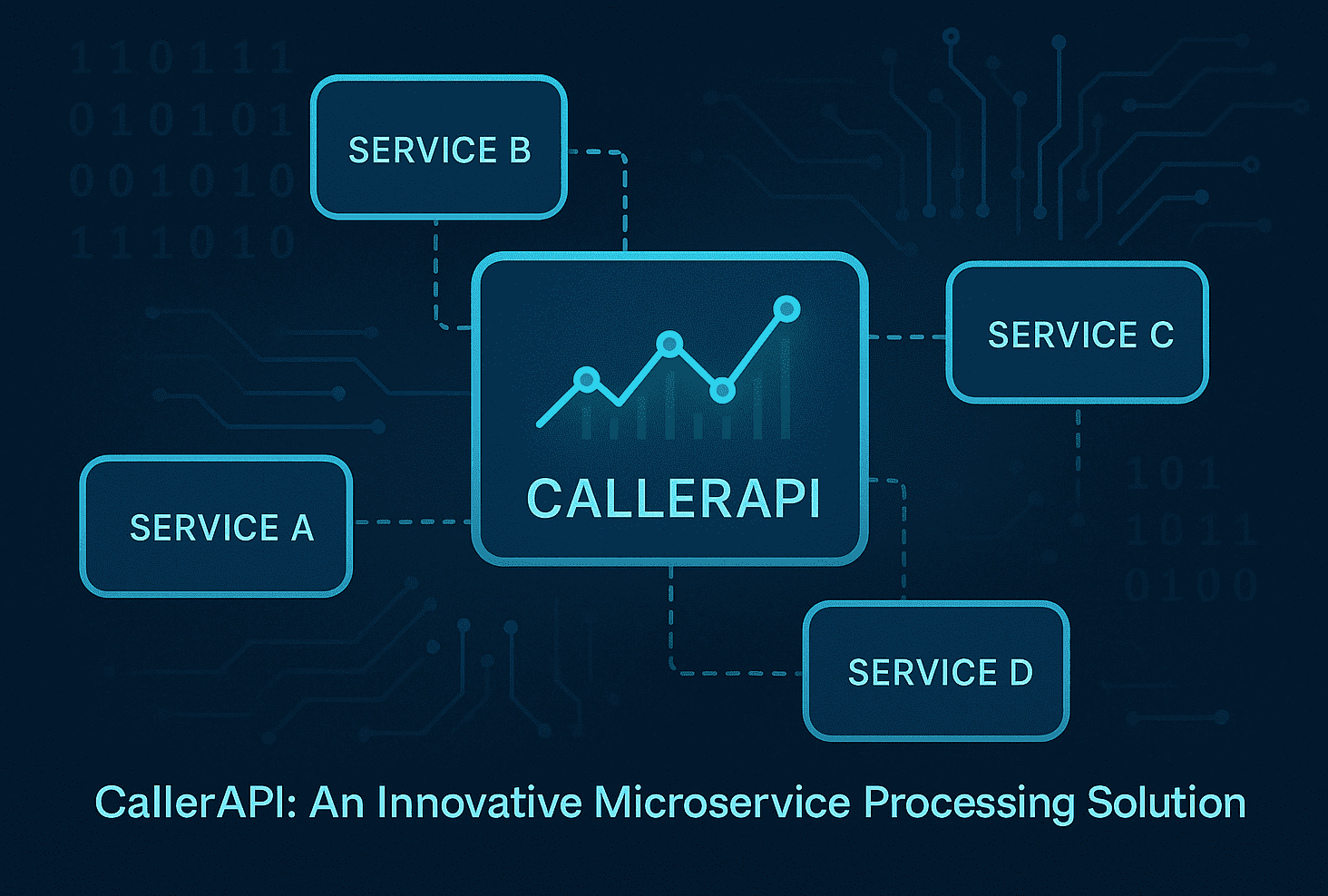
A disciplined analytics consulting company scopes work across several interconnected layers:
- Integration of core business systems into a unified data layer
- Stable data engineering services that manage ingestion, transformation, and validation
- Structured warehousing with standardized KPI definitions
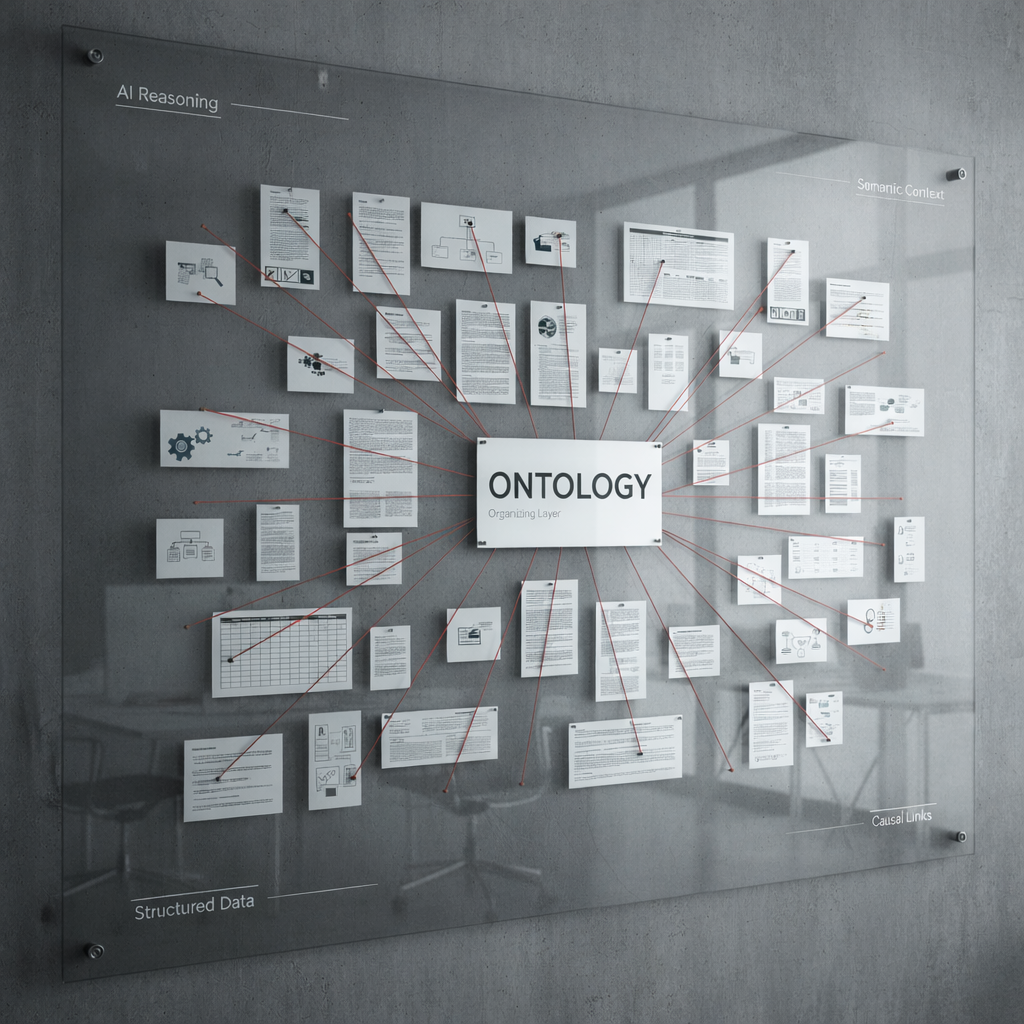
- A unified semantic layer that enforces consistent reporting logic
- Governance mechanisms that prevent metric drift
- Monitoring processes that detect failures before they affect reporting
Clear scope boundaries separate strong partners from superficial vendors. Experienced teams specify which systems are included, which are excluded, what assumptions apply, and how latency expectations are handled. Without that level of clarity, risk accumulates silently and surfaces later in production.
Analytics must be engineered intentionally. Teams should not treat it as something to fix after problems appear.
The Difference Between Reporting and Infrastructure
Traditional business intelligence and data analytics services often emphasize visual design and dashboard optimization. While these outputs matter, they do not resolve structural instability on their own.
Dashboards display numbers. Infrastructure guarantees their accuracy, consistency, and sustainability.
Scalable analytics infrastructure requires reproducible pipelines, version-controlled transformations, controlled access patterns, and documented KPI ownership. When organizations skip this foundation, each new initiative introduces hidden instability. Over time, teams revert to spreadsheets to regain control.
Infrastructure-led delivery prevents that regression. It stabilizes data engineering services first and allows reporting to evolve without compromising integrity.
Where Predictive Data Analytics Services Create Real Value
Predictive data analytics services are frequently presented as the next logical step once reporting stabilizes. However, predictive models generate lasting impact only when stable systems support them. Forecasting revenue, modeling churn, and optimizing pricing strategies require clean historical data, consistent definitions, and reliable transformation logic.
When evaluating predictive proposals, examine operational details closely. How will models be deployed? How will drift be detected? What retraining cadence is defined? Who owns monitoring after launch?
If vendors frame predictive work only as experimentation, long-term reliability is unlikely. Mature data analytics consulting services integrate predictive capabilities directly into infrastructure, ensuring that advanced analytics remains stable as scale increases.
Predictive success depends on operational sustainability, not model accuracy alone.
How to Compare Analytics Consulting Companies Rationally
Polished presentations and attractive dashboards do not guarantee architectural strength. To evaluate vendors objectively, focus on execution discipline.
Ask whether scope boundaries are clearly defined. Confirm that deliverables include documentation, ownership frameworks, and monitoring processes. Determine whether governance is embedded from the beginning. Evaluate how production readiness is addressed for both reporting and predictive systems.
Strong data analytics consulting services reduce uncertainty by clarifying structure. They define integration milestones, validation checkpoints, and long-term ownership early in the engagement. Weak proposals defer complexity to later phases and create ambiguity that eventually becomes technical debt.
Structural clarity matters more than presentation quality.
When Structured Analytics Becomes Essential
There comes a point when incremental improvements no longer solve the problem. Leadership debates data accuracy instead of strategy. Reporting cycles delay planning decisions. Growth introduces inconsistencies faster than teams can correct them. Predictive initiatives stall before reaching production.
At that stage, the organization does not need additional dashboards. It needs integrated, scalable analytics infrastructure that unifies integration, warehousing, governance, data engineering services, and predictive data analytics services into one coherent architecture.
Disciplined data analytics consulting services create long-term value by stabilizing foundations first and layering advanced capabilities on top. When analytics is engineered correctly, it becomes a foundation for growth rather than a recurring operational challenge.